
Spanish snapdragon
Antirrhinum hispanicum Chav.
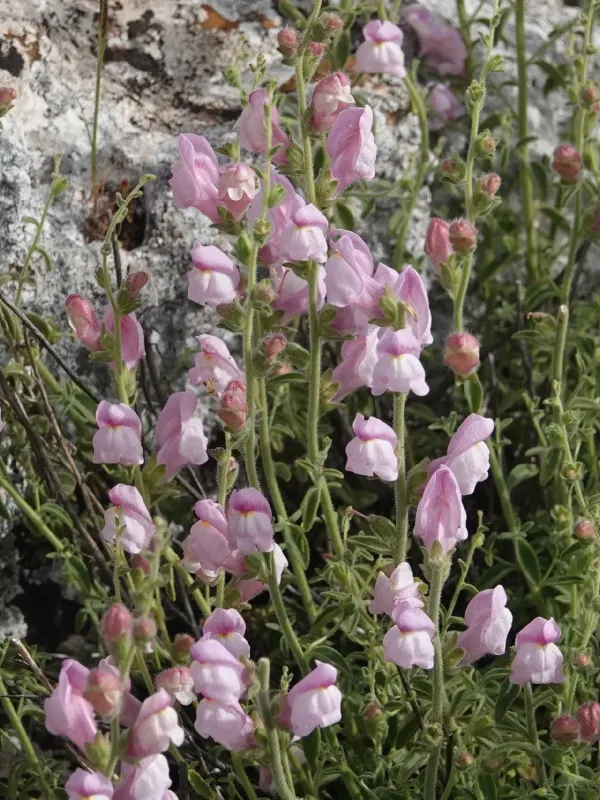
Description
Sowing dates
Spanish snapdragon (Antirrhinum hispanicum) is a perennial herbaceous plant belonging to the Plantaginaceae family, often cultivated as a decorative crop. For optimal growth, seeds are typically sown indoors in late winter or early spring to ensure robust seedlings for the season.
When sowing directly into the ground, it is recommended to wait until the soil warms up to at least 10–12 degrees Celsius. Seeds are light-dependent for germination, so they should be sown on the surface of the growing medium rather than buried deep.
The substrate for seedlings must be light and well-draining, with a neutral pH level. Maintaining constant moisture is critical during the first few weeks, but the surface should never be waterlogged, as this leads to damping-off issues in young plants.
Pricking out the seedlings into individual containers once they develop two true leaves allows for a stronger root system development. This process also provides the space necessary for the plants to grow without competition for nutrients or sunlight.
Hardening off the seedlings is an essential step before final transplanting. Gradually exposing them to outdoor conditions over a period of two weeks helps the plants adapt to fluctuating temperatures and wind, ensuring a higher survival rate in the field.
Growing requirements
This crop requires full sun exposure to flourish and maintain its compact habit. Planting in shaded areas leads to etiolated stems and significantly reduced flower production, which diminishes the ornamental value of the crop.
The soil should be fertile, well-draining, and rich in organic matter. While the plant can tolerate various soil types, it performs best in sandy loam soils that prevent water stagnation, which is essential for healthy root respiration.
Watering must be regular but measured, focusing on the root zone while keeping foliage dry to minimize the risk of fungal infections. During prolonged dry spells, the frequency of irrigation should be increased to support constant flowering.
Fertilization with a balanced NPK fertilizer during the vegetative stage promotes vigorous growth. Once flower buds begin to form, shifting to higher potassium and phosphorus ratios will enhance the size, color, and longevity of the blooms.
Temperature management is key; while the plant is relatively hardy, it dislikes excessive humidity combined with cold temperatures. Providing adequate ventilation in greenhouses or proper spacing in garden plots is crucial for long-term health.
Main diseases and pests
Powdery mildew is a common fungal threat characterized by a white, dusty layer on the foliage. Proper spacing and airflow are the best preventative measures, though chemical fungicides may be necessary in high-pressure environments.
Root rots, including those caused by Phytophthora, are often the result of poor drainage and overwatering. These diseases can devastate a crop, making immediate removal of affected plants and soil sanitation essential for farm-scale operations.
Aphids represent a primary pest challenge, especially in spring, as they cluster on tender shoots and buds. Integrated pest management, including the use of soaps or systemic insecticides, is effective in keeping aphid populations under control.
Thrips can cause significant damage to the floral parts, leading to discolored and deformed petals. Regular scouting and the use of sticky traps can help detect their presence early, allowing for targeted and efficient treatment applications.
Spider mites can become problematic during hot, dry weather. Maintaining appropriate humidity levels and applying acaricides when necessary helps prevent outbreaks, ensuring the plants retain their vigor and aesthetic appeal throughout the season.