
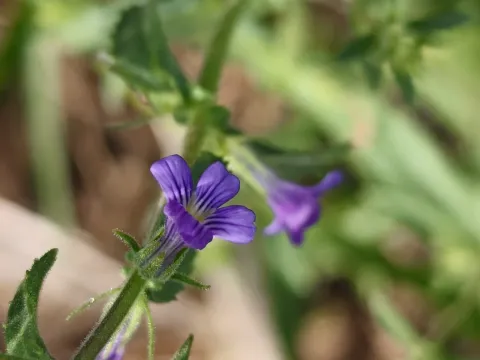
Stemodia
Stemodia
Stemodia is a genus of flowering plants belonging to the Plantaginaceae family. These plants exhibit a diverse range of growth habits, including prostrate, creeping, and erect forms, which makes them versatile in various environmental contexts. They are primarily distributed across tropical and subtropical regions of the Americas.
What the section contains

Stemodia
The natural habitats of Stemodia are typically associated with moist areas such as riverbanks, floodplains, and wetland peripheries. Understanding this ecological background is essential for agronomists, as it highlights the plant's high demand for consistent soil moisture and warm, humid climatic conditions.
Botanically, Stemodia is characterized by opposite or whorled leaves, often with serrated margins. The flowers are typically tubular with a two-lipped corolla, consistent with other members of the Plantaginaceae family. These plants are appreciated for their botanical complexity and resilience in specific niches.
Cultivation requires well-drained, nutrient-rich soil with a slightly acidic to neutral pH. The plant thrives in environments with temperatures ranging from 20 to 30 degrees Celsius. It is highly sensitive to frost, which limits its outdoor cultivation to frost-free tropical or summer seasons in temperate regions.
Effective management involves maintaining high atmospheric humidity and ensuring the substrate does not dry out completely. While the plant is adaptable, it requires regular irrigation and occasional fertilization with balanced macro- and micronutrients to support vigorous vegetative development and flowering.
The most common agricultural threats to Stemodia are soil-borne pathogens, particularly root rot, which is triggered by waterlogged conditions and poor drainage. Maintaining a proper balance of irrigation is the primary defense strategy against these destructive fungal diseases.
Pests such as spider mites, aphids, and whiteflies pose a significant risk to Stemodia crops. These insects suck sap from the leaves, causing chlorosis, wilting, and overall plant decline, which can lead to substantial yield losses if not managed promptly through integrated pest management.
Preventive measures include implementing proper spacing between plants to enhance airflow, which significantly reduces the risk of fungal proliferation. Utilizing sterilized potting mixes and maintaining high standards of greenhouse hygiene are also critical for preventing the introduction of pathogens.
In case of pest infestation, the use of biological control agents or targeted, low-toxicity insecticides is recommended. It is vital to monitor the undersides of leaves regularly, as this is where pests typically colonize and begin their lifecycle before spreading to the rest of the canopy.
Crop health can be further protected by avoiding overhead watering, which creates a microclimate conducive to foliar diseases. If a plant becomes severely infected, it should be isolated or removed entirely to prevent the spread of spores or insects to neighboring plants in the production unit.