
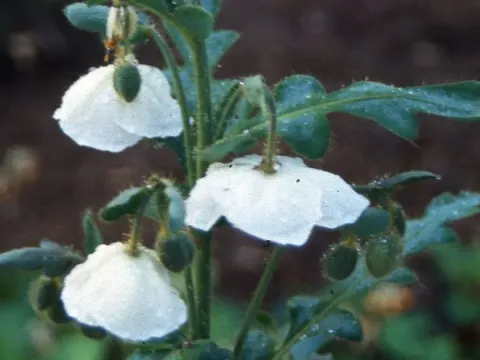
Wallich Poppy
Papaver wallichii
Papaver wallichii, a member of the Papaveraceae family, is a perennial plant that requires specific environmental conditions for successful germination. Seeds benefit significantly from a period of cold stratification to break dormancy.
What the section contains
Wallich Poppy
The ideal sowing time is early spring, once the soil has begun to warm up. Seeds should be sown on the surface of the soil, as they require light to germinate effectively, and should only be lightly pressed into the surface.
For container-grown starts, sow seeds in late winter in a sterile, well-draining seed-starting mix. Maintain a temperature of approximately 18 degrees Celsius and ensure the medium remains consistently moist but not saturated.
Transplanting is a sensitive phase for this species. Due to its taproot, the plant suffers significantly if the root system is disturbed, so use biodegradable pots that can be planted directly into the ground to minimize root stress.
Thinning is necessary if plants are grown from direct seeding to ensure sufficient air circulation. Aim for a spacing of 40 to 50 centimeters between mature plants to prevent crowding and fungal issues.
The Wallich Poppy thrives in fertile, well-draining soils with a neutral pH. It is essential to ensure that the site has excellent drainage, as the species is highly susceptible to root rot in waterlogged conditions.
Full sun is required for optimal flowering and stem strength. While it can tolerate partial shade in hotter climates, it will produce the best results and the most robust growth when exposed to direct sunlight for the majority of the day.
Watering requirements are moderate. The soil should be kept evenly moist during the active growing season, but the top layer of soil should be allowed to dry slightly between watering sessions to maintain plant health.
Fertilization should be handled carefully. A balanced, slow-release fertilizer applied in early spring is generally sufficient. Avoid excessive nitrogen, which can lead to lush foliage but weak stems and a reduction in flower production.
In terms of climate, Papaver wallichii prefers cooler, temperate regions. During the winter months in colder climates, a layer of mulch around the base of the plant provides essential protection for the crown.
Powdery mildew is a common fungal threat to the Wallich Poppy, especially in environments with high humidity and stagnant air. Keeping the area around the plants clear of weeds and debris is crucial for disease prevention.
Downy mildew may also occur, manifesting as discolored patches on the foliage. To mitigate this risk, ensure proper spacing and avoid overhead irrigation that keeps the leaves wet for extended periods.
Aphids can be a significant pest, particularly during the budding phase. They cluster on the developing flower stems and can cause severe deformity. Regular monitoring and the application of insecticidal soap can manage these outbreaks.
Root rot, driven by poor drainage, is often lethal. Since this plant does not recover well once the root system is compromised, prevention via site selection and proper watering is the most effective management strategy.
- Rotate crops regularly.
- Remove infected plant material immediately.
- Monitor for early signs of insect activity.
- Use well-draining, loose soil structures.