
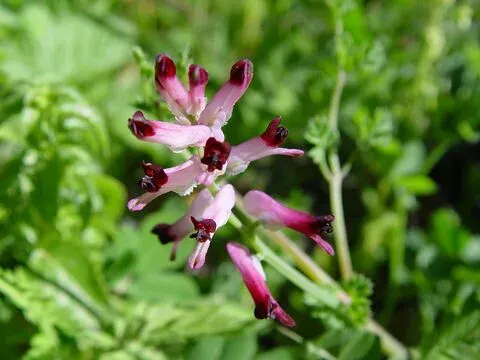
Western fumitory
Fumaria occidentalis
Western fumitory (Fumaria occidentalis) is a species of herbaceous plant belonging to the Papaveraceae family. It is primarily native to the Atlantic regions of Europe, with significant populations found on the Azores islands.
What the section contains
Western fumitory
The plant thrives in a maritime climate characterized by mild temperatures and high humidity. It requires loose, well-drained soil rich in organic matter to prevent root rot and ensure healthy growth.
Botanically, it is recognized by its delicate, finely divided foliage with a glaucous tint and small, clustered flowers. Depending on the environment, the plant exhibits either an erect or trailing growth habit.
In a farming or herbalist context, it is cultivated mainly for its phytochemical potential. Its chemical profile, which includes unique alkaloids, makes it a subject of interest in pharmaceutical research.
For successful cultivation, consistent moisture levels and protection from extreme temperature fluctuations are crucial, making it a demanding plant for controlled agricultural environments.
Powdery mildew is the most prevalent fungal disease, particularly occurring when there is poor air circulation or excessive humidity within the crop canopy.
Root rot represents a severe threat in waterlogged soils, necessitating a precise irrigation strategy to maintain the balance between moisture and oxygen availability.
Aphids are the primary insect pests, frequently attacking the tender shoots and stems, which can significantly stunt the growth and overall health of the plants.
Spider mites can become a problem during hot and dry spells, causing the leaves to yellow and dry out if not addressed by prompt scouting and treatment.
Integrated pest management, including crop rotation and the use of botanical insecticides, is highly recommended to protect the crop from these common threats.