
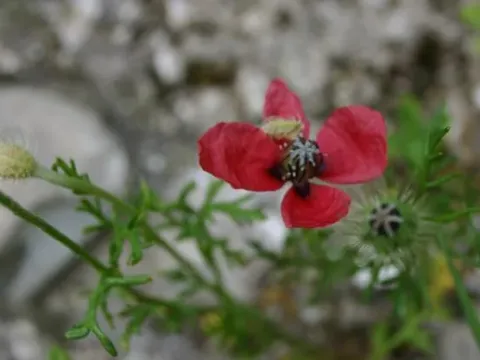
Papaver hybridum
Papaver hybrids
Sowing of Papaver hybridum is typically performed in early spring when the soil temperature consistently reaches 5–8 degrees Celsius. Early seeding allows the crop to utilize residual soil moisture, which is critical for uniform germination.
What the section contains
Papaver hybridum
In regions with mild winters, autumn sowing can be practiced to take advantage of natural stratification. Seeds should be sown shallowly, ideally at a depth of no more than 1–2 centimeters, to ensure proper light exposure for the germinating seeds.
Maintaining proper row spacing is essential for plant health. Providing 30–40 centimeters between rows ensures adequate airflow and light penetration, which are vital for reducing the risk of fungal diseases within the dense canopy.
For uniform distribution, it is recommended to mix seeds with fine dry sand before broadcasting. After sowing, lightly compacting the soil surface helps achieve the necessary seed-to-soil contact for reliable moisture absorption.
Thinning the seedlings is a mandatory stage of cultivation. Once the plants reach the two-leaf stage, removing weaker specimens allows the remaining plants to develop robust root systems and produce healthy, vigorous stems.
Papaver hybridum belongs to the Papaveraceae family and thrives in open, sunny locations. Full exposure to sunlight is required to ensure optimal flower production and to prevent the stems from becoming weak or overly stretched.
This species prefers light, well-draining sandy or loamy soils with a neutral to slightly alkaline pH. Heavy, waterlogged soils are detrimental to the plant, so choosing a site with excellent drainage is a key success factor.
Water requirements are moderate, as the plant is relatively drought-tolerant once established. However, consistent moisture during the early vegetative phase is beneficial for achieving maximum biomass and overall plant vigor.
The optimal temperature range for growth is between 15 and 22 degrees Celsius. While the species is hardy, protecting young plants from late spring frosts and excessive moisture is advisable to ensure steady development.
Nutrient management should focus on balanced phosphorus and potassium levels to encourage strong root development. Excess nitrogen should be avoided to prevent lush vegetative growth that may increase susceptibility to pests and lodging.
Downy mildew is the most common threat, characterized by pale patches and mold-like growth on the foliage. Preventive fungicide applications during early growth stages are highly effective in managing this pathogen.
Root rot is often associated with poor drainage or overwatering. Maintaining a proper irrigation schedule and ensuring the soil remains loose and well-aerated can significantly reduce the incidence of soil-borne infections.
Pests such as aphids and poppy root weevils can cause significant damage to buds and stems. Regular scouting and the use of targeted insecticides are recommended to maintain plant health and prevent yield reduction.
Crop rotation is essential to prevent the accumulation of soil-borne pests and diseases. Papaver hybridum should not be planted in the same location more than once every three to four years to break pest life cycles.
Effective weed management is also critical, as many weed species act as reservoirs for viruses that infect poppy crops. Keeping the site clean improves overall airflow and reduces the risk of insect-borne disease transmission.
Harvesting should occur once the seed capsules have reached physiological maturity. The capsules typically turn a dull brown or greyish color, and a distinctive rattling sound inside indicates that the seeds are fully dry.
Plants should be cut and bundled into small sheaves for final drying in a sheltered, well-ventilated location. Preventing moisture buildup during this phase is crucial to protect the quality of the harvested seeds.
Threshing is performed after the capsules are thoroughly dry. Using appropriate sieves and winnowing equipment allows for the separation of seeds from plant debris, ensuring a clean and high-quality final product.
For ornamental use, harvesting is conducted at the tight bud or early bloom stage. Stems placed in water immediately after cutting will retain their freshness longer, provided they are kept away from direct heat sources.
Proper storage is vital to maintain seed viability. Seeds should be stored in paper bags in a cool, dry, and dark environment, which allows them to remain dormant until they are ready for planting in the next season.