
Papaver pinnatifidum
Papaver pinnatifidum
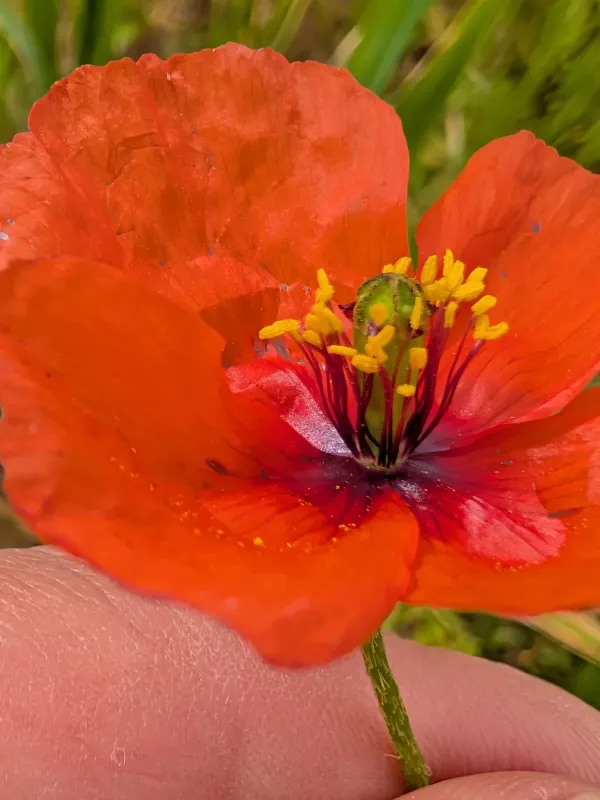
Description
Sowing dates
Papaver pinnatifidum is an annual herbaceous plant belonging to the Papaveraceae family, valued for its biological characteristics and potential utility in agricultural systems.
The sowing process typically commences in early spring, once the soil temperature consistently reaches 5 to 8 degrees Celsius to facilitate optimal germination rates.
Given the fine structure of the seeds, they should be placed at a shallow depth of 1 to 2 centimeters to ensure access to essential warmth and surface moisture.
Row spacing is generally maintained between 30 and 45 centimeters to provide adequate space for air circulation and to facilitate mechanical weeding operations throughout the season.
Rolling the soil surface after sowing is highly recommended to improve seed-to-soil contact, which significantly enhances the uniformity of crop emergence across the field.
Growing requirements
This crop thrives in well-drained, fertile soil, preferably with a sandy loam or loamy texture that supports deep root penetration and nutrient uptake.
Environmental conditions require full sun exposure; as a heliophilic plant, it does not tolerate shading, which directly affects the development of reproductive organs.
Soil pH levels should remain in the neutral to slightly alkaline range to optimize the availability of vital nutrients such as phosphorus and potassium.
While the plant shows moderate drought tolerance once established, consistent moisture is mandatory during the seedling stage and the transition to the flowering phase.
Proper field management includes avoiding sites prone to waterlogging, as the species is highly susceptible to root decay when subjected to anaerobic conditions.
Main diseases and pests
Common phytosanitary threats include powdery mildew, which can significantly reduce photosynthetic activity, especially under high humidity and poor ventilation.
Insect pests, specifically the poppy root weevil and various species of aphids, pose a consistent challenge by damaging both the stem integrity and the seed capsules.
Fungal root pathogens are also significant, often exacerbated by high soil moisture, leading to damping-off in younger plants during the early developmental stages.
Integrated pest management strategies are essential, focusing on preventative measures like crop rotation and the destruction of potential host weeds in the field margins.
- Monitoring fields for early signs of chlorosis or leaf spot diseases.
- Utilizing certified disease-free seeds to minimize initial pathogen pressure.
- Implementing balanced fertilizer programs to enhance plant vigor and resistance.