
Glaucium leiocarpum
Glaucium leiocarpum
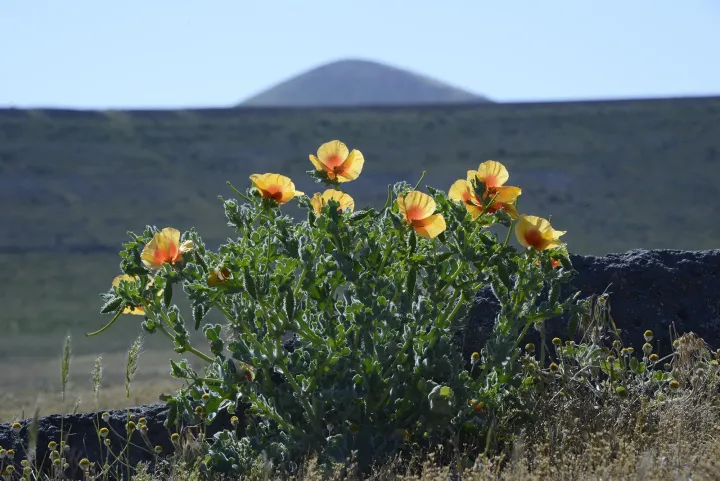
Description
Sowing dates
Glaucium leiocarpum is a significant medicinal plant belonging to the Papaveraceae family. It is typically sown in late autumn or early spring, as soon as the soil condition allows for effective field operations.
Planting is usually done in rows with a spacing of 45-60 cm to ensure adequate space for the rosette to develop during the early stages of plant growth.
Seeds are small and require precise placement at a depth of 1-2 cm. Good soil moisture contact is essential for uniform germination across the field.
Thinning is an essential post-germination practice, spacing plants 15-20 cm apart to prevent competition, which is crucial for achieving high-quality biomass.
The crop is adaptable but thrives best when managed properly; stagnant water during the germination phase must be strictly avoided to prevent seed rot.
Growing requirements
Glaucium leiocarpum prefers open, sun-drenched locations, as light exposure is directly correlated with the accumulation of medicinal alkaloids in the plant tissue.
Light sandy or loamy chernozem soils with neutral to slightly alkaline pH are considered optimal. Heavy clay soils often cause root system stunting and poor development.
While the plant shows moderate drought tolerance, supplementary irrigation during active growth stages significantly improves biomass yield and herb quality.
Moderate temperatures are ideal. Although the plant is somewhat frost-hardy, protective measures are recommended in areas with severe winters and little snow cover.
Balanced fertilization, particularly with potassium and phosphorus, is essential to strengthen the plant's resistance to environmental stress and maximize alkaloid content.
Yield
The yield of Glaucium leiocarpum is influenced by the plantation's age and soil fertility. Maximum productivity is generally achieved in the second year of growth.
Under favorable management, several harvests of the above-ground mass can be obtained in a single season, provided the plants are well-nourished and watered.
Expected yields range between 1.5 to 2.5 tons of dried raw material per hectare, making it a viable option for commercial cultivation in suitable climates.
Productivity tends to decline after several years, necessitating crop rotation and re-establishment of plantations on new, pathogen-free sites every 4 years.
Weed management during the first year is paramount, as the slow growth rate of young plants makes them highly susceptible to competition from weeds.
Main diseases and pests
Glaucium leiocarpum is prone to fungal infections, such as powdery mildew and various root rots, which often occur under conditions of high humidity and poor aeration.
Aphids and weevils are the primary pests that damage leaves and flower buds, potentially reducing the efficacy and quality of the medicinal harvest.
Slugs and snails may become a nuisance in wet seasons, especially for young, tender seedlings, requiring monitoring and localized control methods.
Effective disease management relies on crop rotation and adequate spacing, which ensures good airflow through the canopy and reduces humidity build-up.
Chemical intervention should be kept to a minimum due to the plant's medicinal use; priority is given to biological control and preventative cultural practices.
Harvesting
Harvesting should occur during the peak flowering phase, as this is when the concentration of the active alkaloid, glaucine, is highest in the aerial parts.
The crop is mowed 5-10 cm above the ground to facilitate regrowth, ensuring the plant recovers quickly and produces further batches of biomass.
Post-harvest, the raw material must be transported quickly to avoid overheating or oxidation, which can compromise the quality of the medicinal compounds.
Drying is performed in shaded, well-ventilated structures or industrial dryers at temperatures not exceeding 50 degrees Celsius to maintain chemical integrity.
Correctly dried material will maintain its characteristic appearance and odor, indicating that the processing steps have been executed with proper care.