
Hypecoum torulosum
Hypecoum torulosum
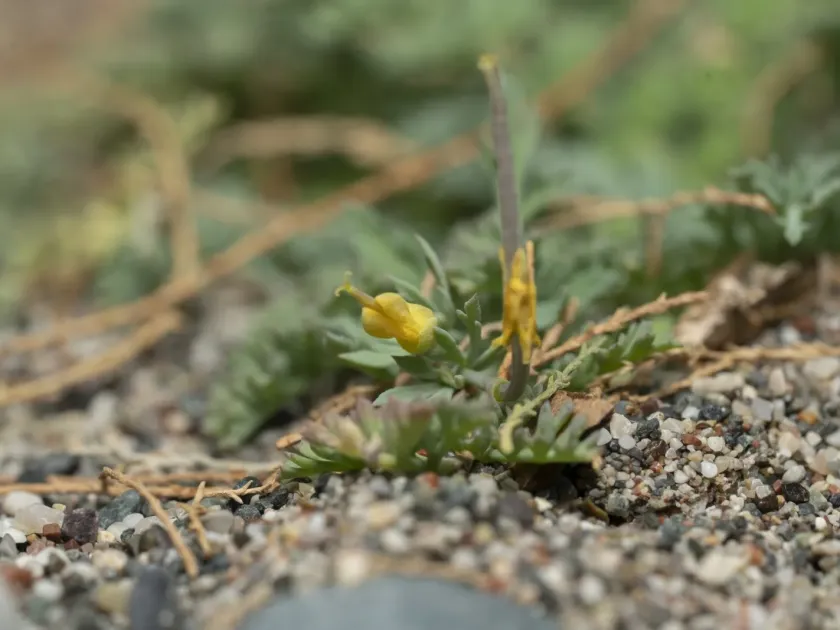
Description
Growing requirements
Hypecoum torulosum is an annual herbaceous plant belonging to the Papaveraceae family. It is recognized for its adaptive features in arid environments and specific structural botanical characteristics.
The plant grows as a rosette with finely divided leaves, featuring branched stems that support small, delicate yellow flowers. This morphology allows for efficient photosynthesis in high-light conditions.
Originating from dry, steppe-like regions, Hypecoum torulosum thrives in well-drained, sandy or gravelly soils. It requires full sunlight to complete its life cycle effectively during the growing season.
Temperature tolerance is a hallmark of this species, as it is adapted to temperate continental climates with significant seasonal temperature variations. It often acts as an early-spring ephemeral.
The species possesses significant biological interest, particularly due to its chemical composition, which includes various alkaloids often studied for potential medicinal applications.
Main diseases and pests
Due to the presence of alkaloids in its sap, Hypecoum torulosum exhibits a natural resistance to various generalist herbivores and insect pests that plague many other field crops.
Root rot diseases are the primary threat, especially in soils with poor drainage. If the soil remains saturated for extended periods, the plant quickly loses its viability.
While relatively hardy, the plant can struggle against fast-growing competitive weeds that shade it out during the critical early development phase of the life cycle.
Proper soil aeration and avoiding overly compact soil layers are essential management practices to prevent fungal pathogens from impacting the plant's delicate root system.
In most agricultural environments, the pressure from pests is minimal, allowing the plant to persist in its ecological niche without excessive chemical intervention.