
Hypecoum duriaei
Hypecoum duriaei
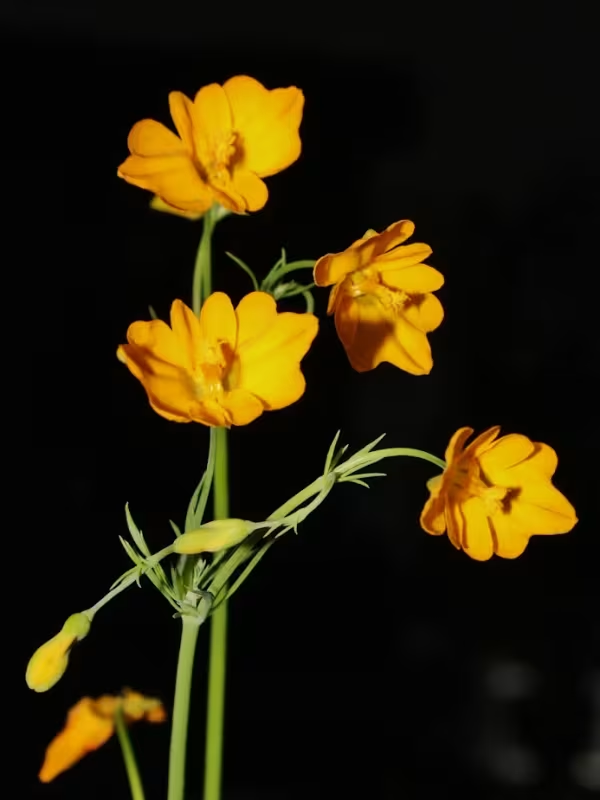
Description
Growing requirements
Hypecoum duriaei belongs to the Papaveraceae family, representing an interesting group of herbaceous plants adapted to arid environments. It is characterized by specific chemical profiles common to the poppy family.
The origin of this species is linked to the Mediterranean and North African regions. It thrives in open, high-light habitats where other vegetation struggle to survive due to prolonged drought and poor soil quality.
Soil requirements are quite specific: the plant demands sandy or rocky substrates with excellent drainage. Heavy, clay-rich soils are generally unsuitable as they prevent the necessary root aeration and promote disease.
Climatic conditions for successful growth involve high thermal requirements and significant sun exposure. This species does not tolerate frost or cold, damp winters, which are lethal to its vegetative parts.
Agrotechnical management must focus on controlled irrigation. Since it is a drought-tolerant crop, water should only be applied during the initial germination phase and early vegetative development to avoid root rot.
Main diseases and pests
The most significant threat to the culture is fungal infection caused by damp conditions. High humidity often leads to rapid decay of the root collar and stems, causing total failure of the crop in poorly drained soils.
Insects such as leaf-eating caterpillars and aphids pose a recurring problem. Aphids, in particular, can stunt growth and transmit viral diseases, which significantly decrease the quality of the raw material.
Competition from fast-growing weeds is a primary concern in the early stages. Mechanical weeding is essential, though it must be performed carefully to avoid disturbing the sensitive root system of the Hypecoum.
Soil-borne pathogens are often transferred through contaminated agricultural equipment. Proper sanitization of tools and strict adherence to crop rotation cycles are essential for maintaining field health.
Monitoring for signs of nutrient deficiencies is also important, although the plant is adapted to poor soils. Excessive fertilization may lead to rapid, weak growth that is more susceptible to both pests and fungal pathogens.