
Hypecoum dimidiatum
Hypecoum dimidiatum
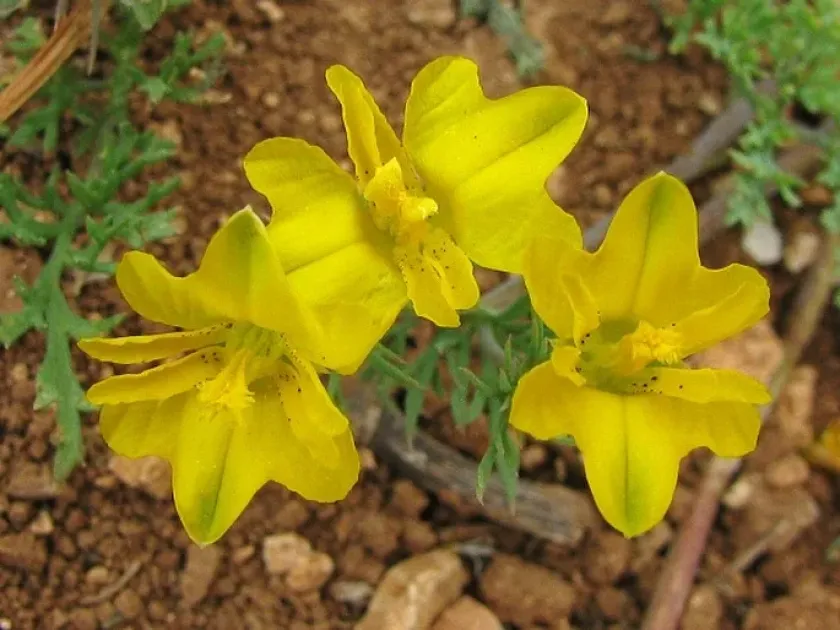
Description
Sowing dates
Hypecoum dimidiatum is an annual ephemeral plant that typically completes its life cycle in a very short period. In agricultural environments, seeds usually germinate during the autumn following initial rainfall, establishing a presence in winter crop fields.
The timing of emergence depends heavily on moisture availability in the upper soil layers. Once germinated, the plant quickly develops a rosette, allowing it to survive through winter months in milder climates.
The biological cycle is tightly synchronized with the season's humidity, allowing the plant to rapidly produce seeds before the onset of summer heat. This strategy enables the species to persist in various agro-ecosystems.
Effective management includes early spring mechanical disturbance of the soil, which helps eliminate young rosettes. Delaying these actions can result in the plant becoming established and competing with crops for nutrients.
Seed production is prolific, and seeds can remain viable in the soil seed bank for several years. Understanding this cycle is crucial for planning effective pre-sowing soil cultivation techniques.
Growing requirements
As a member of the Papaveraceae family, Hypecoum dimidiatum thrives in open, sunny environments. It is well-adapted to habitats that experience significant seasonal drought, often found in fields, roadsides, and disturbed ground.
The plant is not particularly demanding regarding soil composition, though it shows a preference for well-drained loamy or sandy soils. It is capable of growing in areas where other plants might struggle due to limited resources.
Climate adaptation is a key feature, as the species utilizes the cool, moist period of the year to complete its development. It effectively avoids the harsh heat of summer by entering its seed dispersal phase.
In fields with high population densities, the plant can restrict the growth of early-stage cereal crops. Maintaining soil fertility and proper crop rotation can help mitigate its competitive impact.
The species is quite resilient to various environmental stressors, demonstrating an ability to colonize new areas quickly after disturbance events, such as tillage or heavy agricultural traffic.
Main diseases and pests
Hypecoum dimidiatum is generally robust against many common agricultural pests and diseases. Its ephemeral nature means it often bypasses the primary infection windows for many crop-specific pathogens.
While the plant may occasionally host generalist insects, it rarely acts as a significant reservoir for diseases that threaten major agricultural crops. Its primary status remains that of a field competitor rather than a pathogen host.
Chemical control via selective herbicides is the standard approach in large-scale agriculture. Timing application to the early growth phase of the plant is essential for achieving high mortality rates.
Mechanical cultivation remains a reliable strategy, especially when targeted at the seedling stage. Implementing integrated weed management programs helps keep population levels low over multiple seasons.
Ensuring clean seed lots during sowing is a fundamental prophylactic measure to prevent the introduction of this species into new field areas where it has not been previously established.