
Hypecoum imberbe
Hypecoum imberbe
Description
Growing requirements
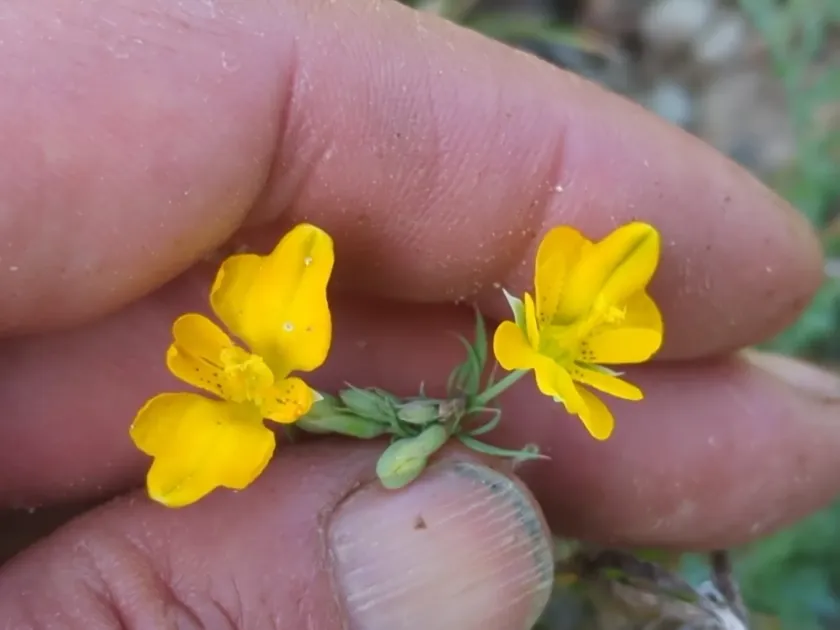
Hypecoum imberbe is an annual herbaceous plant belonging to the Poppy family (Papaveraceae). It is characterized by its dissected, glaucous leaves and small yellow flowers, which are typical for the genus and demonstrate specialized evolutionary adaptations for pollination.
The plant originates from the Mediterranean basin and arid regions across Eurasia. It is well-adapted to habitats with low annual precipitation, thriving in sunny, open locations with well-drained sandy or rocky soils that prevent root rot during occasional wet spells.
In terms of climatic requirements, it prefers moderate to warm temperatures and is notably resistant to the dry conditions typical of steppe climates. Proper sunlight exposure is crucial, as the plant does not perform well in shaded or overly competitive environments.
Economically, Hypecoum imberbe is of significant interest to the pharmaceutical industry due to the presence of specific alkaloids. Research into its chemical composition continues to evaluate its potential as a specialized botanical source for medical applications.
Cultivation requires careful soil preparation, ensuring the ground is loose and free of competitive weeds. Fertilization should be moderate, avoiding high levels of nitrogen to prevent excessive foliage growth that can weaken the plant's structural integrity before flowering.
Main diseases and pests
Like many species in the Papaveraceae family, this plant can be susceptible to various fungal pathogens, especially if the local humidity remains high for extended periods. Root diseases are particularly prevalent if the soil drainage is inadequate for the plant's physiology.
Insect pests such as aphids are common threats, as they colonize the plant's soft tissues and inhibit nutrient transport. Integrated pest management strategies are recommended to keep populations below the economic threshold without damaging the plant's chemical profile.