
Hypecoum pendulum
Hypecoum pendulum
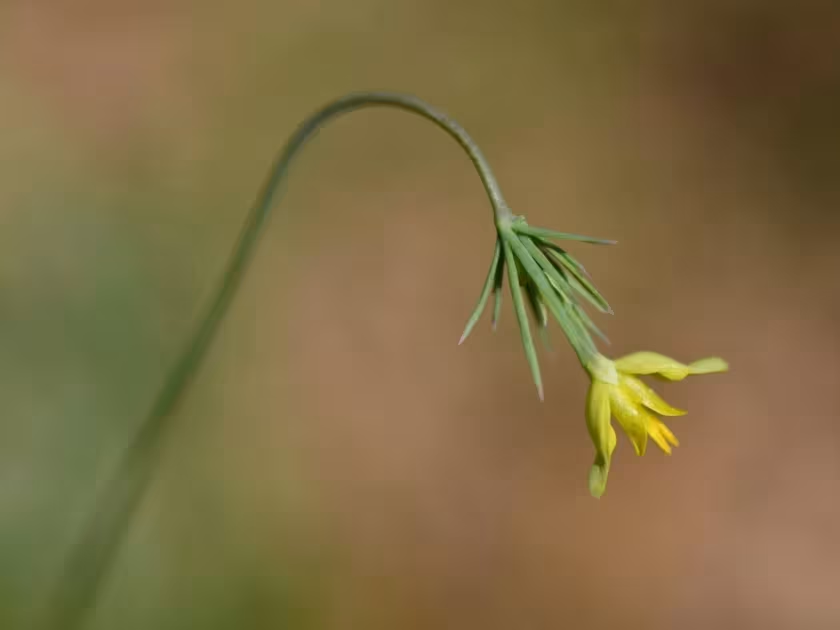
Description
Sowing dates
Hypecoum pendulum is an annual herbaceous plant categorized as a winter-spring ephemeral, typically germinating in late autumn or early spring. Its life cycle is perfectly timed to utilize soil moisture before the arrival of peak summer drought conditions.
In agricultural systems, this plant frequently appears as a weed within winter cereal fields. The timing of its emergence is closely tied to soil temperature fluctuations, usually becoming active when temperatures reach 5-10 degrees Celsius.
The seeds possess a degree of dormancy, allowing them to remain viable in the soil seed bank for several seasons. This trait makes the plant a persistent presence in areas where conventional crop rotation is neglected.
Field management often requires early spring harrowing or the use of pre-emergence herbicides to prevent the plant from establishing dominance during the early vegetative stages of the main crop.
Success in suppressing this species lies in managing the timing of soil disturbance, which can trigger germination of seeds present in the topsoil layer, allowing for mechanical removal before crop sowing.
Growing requirements
Belonging to the Papaveraceae family, Hypecoum pendulum requires high light intensity and well-drained, porous soils. It thrives in loamy or sandy substrates, often colonizing disturbed sites or fields with sparse vegetation cover.
The plant is known for its remarkable drought tolerance, which allows it to thrive in arid and semi-arid environments where other species struggle to maintain growth. It prefers neutral to slightly alkaline soil conditions.
Temperature range requirements are moderate, with the species demonstrating high frost resistance during its rosette stage. It reaches its peak growth rate during the transition from late winter to early spring.
Nutrient requirements are not particularly demanding, but the presence of carbonates in the soil tends to favor the growth and reproduction of this species. It does not require high levels of nitrogen for survival.
Strategic management of soil structure, particularly avoiding excessive compaction, helps in limiting the colonizing potential of this species in large-scale agricultural operations.
Main diseases and pests
The species is susceptible to various fungal pathogens, including downy mildew, which can develop rapidly under conditions of high humidity and poor ventilation within dense crop canopies.
Insects such as aphids and certain beetles can cause significant damage to the floral parts and leaves. These pests can act as vectors for secondary infections if not controlled during the flowering stage.
Chemical control usually involves the application of selective herbicides designed to target broad-leaved weeds within cereal crops. Timing the application to the rosette stage is crucial for maximum effectiveness.
Integrated pest management (IPM) practices should focus on maintaining healthy crop vigor, which naturally outcompetes the ephemeral Hypecoum pendulum by depriving it of the necessary light and nutrients.
Routine field scouting is essential to identify the presence of this plant early, enabling farmers to make informed decisions regarding the timing and selection of mechanical or chemical interventions.