
Hypecoum erectum
Hypecoum erectum
Description
Growing requirements
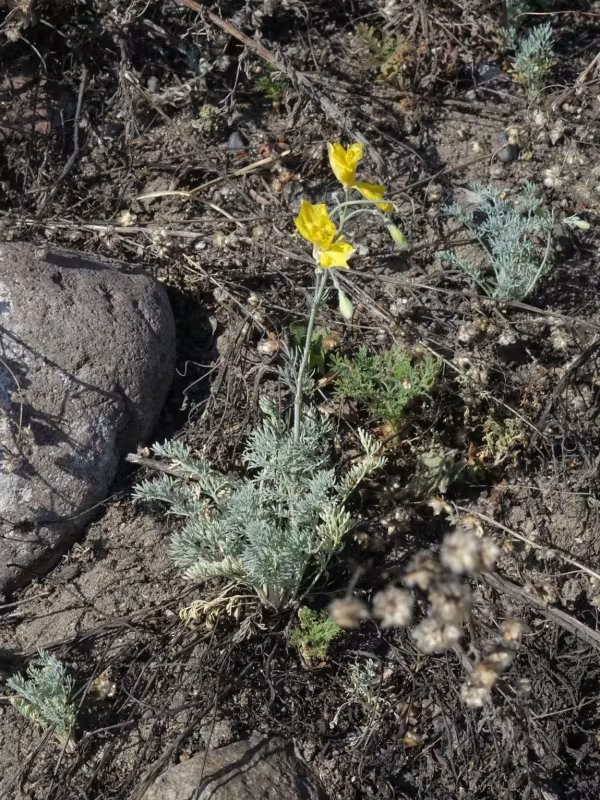
Hypecoum erectum is an annual herbaceous plant belonging to the Poppy family (Papaveraceae). It is characterized by an erect stem structure and finely divided, pinnate leaves, making it a distinct representative of the local flora in its natural habitat.
The plant is native to the steppe and forest-steppe zones of Eurasia, ranging from Siberia to Central Asia. It is highly adapted to continental climates, showing remarkable resilience to both low temperatures in early spring and arid conditions during the summer vegetative period.
Regarding soil requirements, Hypecoum erectum thrives in well-drained, sandy or light loamy soils. It prefers open, sun-exposed locations, as it is a strictly photophilous plant that fails to thrive under conditions of intense shade from taller vegetation.
From an agricultural and economic perspective, the plant is primarily researched for its chemical profile, specifically its alkaloid content. These compounds hold potential value for the pharmaceutical industry, encouraging investigations into its systematic cultivation and yield optimization.
Modern agrotechnics for this crop focus on creating optimal seedbed conditions and managing field weeds during the early establishment phase. Given the small size of the seeds, precise shallow sowing is required to ensure consistent germination and stand establishment across the field.
Main diseases and pests
The primary pathological threats to Hypecoum erectum include root and collar rots, which are often exacerbated by poor drainage or excessive soil moisture. Implementing proper rotation strategies is essential to minimize the inoculum pressure in the soil and prevent outbreaks.
Insect pests, particularly aphids and various coleopteran species, represent a recurring threat during the vegetative growth cycle. Regular monitoring and the application of integrated pest management (IPM) techniques are recommended to maintain plant health and ensure the quality of the harvested biomass.