
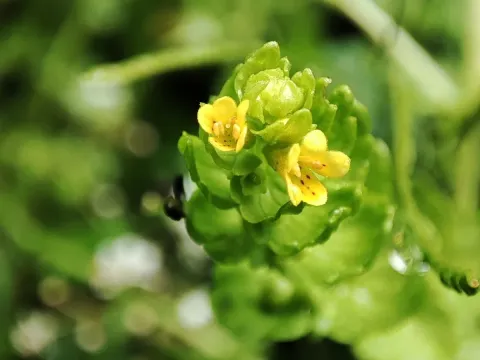
Tozzia
Tozzia
Tozzia is a genus of herbaceous plants belonging to the family Orobanchaceae. It is classified as a hemiparasite, meaning it derives part of its nutrients from the root systems of host plants while retaining the ability to photosynthesize due to its green leaves.
What the section contains


Tozzia
The native range of this plant includes the mountainous regions of Central and Southern Europe, such as the Alps and the Carpathians. Tozzia typically thrives in humid environments, including mountain forests, damp meadows, and along the banks of alpine streams.
Botanically, the plant is recognized by its erect stems, opposite leaves, and yellow flowers often marked with distinct black spots. Its life cycle is deeply intertwined with the presence of host vegetation, which serves as a source of water and essential mineral salts.
Tozzia is not considered an agricultural crop in any modern system. Its specialized requirements for root connectivity with specific host plants make it impossible to grow in a traditional agricultural setting or monoculture farm environment.
The plant has no economic or commercial value. Research regarding Tozzia is restricted to botanical studies focusing on the evolutionary strategies of parasitic plants and the maintenance of fragile alpine biodiversity in their natural protected habitats.