
Tozzia alpina
Tozzia alpina
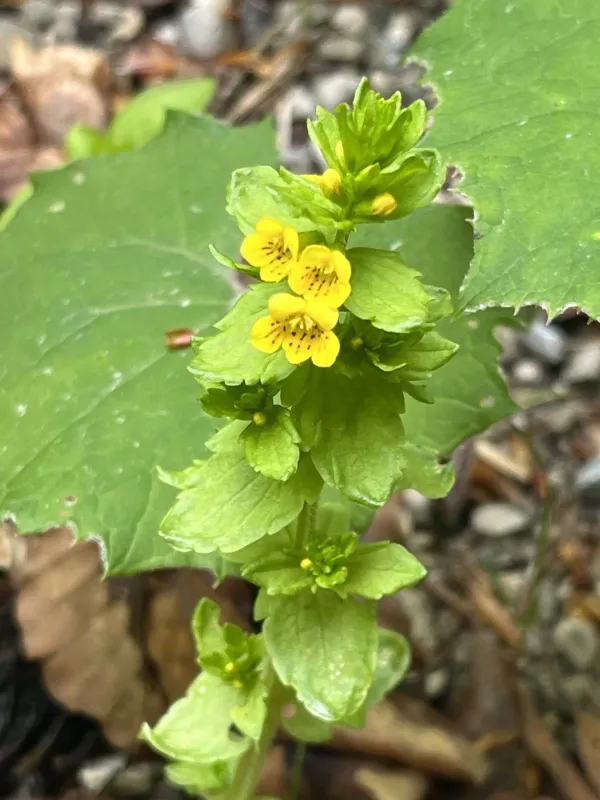
Description
Growing requirements
Tozzia alpina, commonly known as the alpine tozzia, is a distinctive perennial herbaceous plant belonging to the Orobanchaceae family. It is recognized as a hemiparasite, meaning it derives part of its nutrients from host plants by attaching its roots to theirs via specialized organs called haustoria.
The botanical structure of the plant consists of a slender, erect stem adorned with opposite, sessile leaves. Small, yellow, bell-shaped flowers emerge from the leaf axils. The plant typically reaches a height of 20 to 50 centimeters, blending seamlessly into the alpine meadows where it thrives.
Its natural distribution is limited to mountainous regions across Europe, primarily within the Alps, the Carpathians, and parts of the Balkans. It favors cool, humid environments such as mountain stream banks, shaded forest edges, and wet meadows with rich, organic-heavy soil.
Regarding cultivation requirements, this plant is not adapted for agricultural or horticultural use due to its complex parasitic dependency. In its natural setting, it requires stable soil conditions and high atmospheric humidity to maintain the delicate physiological connection with its host plants.
In terms of ecological significance, Tozzia alpina serves as an important component of the alpine biological community. It is often used as a bioindicator for healthy high-altitude ecosystems, reflecting the stability and health of the flora surrounding mountain brooks and springs.
Main diseases and pests
The primary threat to the stability of Tozzia alpina populations is climate change. As mountain climates shift, the specific hydrological conditions necessary for the survival of both the parasite and its host are becoming increasingly scarce in lower altitudes.
Fungal diseases represent a significant threat to the plant, especially during periods of excessive rainfall. High humidity can trigger the rapid development of pathogens that infect the stem and roots, leading to a breakdown of the parasitic bond and eventual plant death.
Human activities, such as intensive grazing and tourism-related land use, pose direct risks to the population. Trampling by livestock or hikers can destroy fragile clusters of these plants, which have low potential for regeneration once the connection to the host is severed.
Competition from more aggressive, invasive plant species, often encouraged by nitrogen deposition or changes in land management, can crowd out the alpine tozzia. As these stronger plants overtake the available soil space, they often interrupt the specialized root interactions required by the species.
Finally, the restricted nature of its habitat means that habitat fragmentation is a critical concern. Protecting the integrity of high-altitude landscapes is essential to prevent local extinctions and ensure the long-term survival of this rare and scientifically important species.