
Wagner's Yellow Rattle
Rhinanthus wagneri
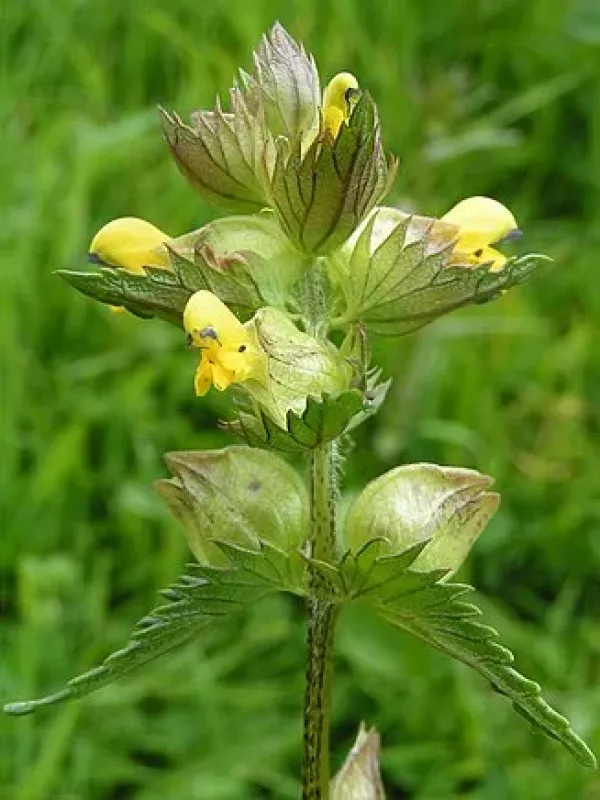
Description
Growing requirements
Wagner's Yellow Rattle (Rhinanthus wagneri) belongs to the Orobanchaceae family. It is a hemiparasitic annual plant, characterized by its ability to extract water and nutrients from the roots of host plants.
The plant is native to specific high-altitude meadow environments where it plays a critical role in controlling the vigor of dominant grass species, thus promoting floral diversity.
Regarding climatic requirements, it thrives in moderate climates with distinct seasonal temperature changes. It is particularly well-adapted to cooler alpine or subalpine conditions.
The soil profile for optimal growth must be well-drained and relatively low in phosphorus. High-nutrient soils often allow grasses to outcompete the yellow rattle, suppressing its germination.
Successful establishment depends on the presence of suitable host grasses. Without these hosts, the development of the plant is stunted, and it fails to complete its reproductive cycle effectively.
Main diseases and pests
The plant is susceptible to various fungal pathogens, such as powdery mildew, especially in environments with poor air circulation and high humidity levels.
Insect pests including aphids and certain weevils can cause significant damage to the foliage and developing seed capsules, reducing the plant's overall vitality.
Effective population management is achieved by timing the hay cut to coincide with the flowering stage, preventing seed rain and future encroachment.
Invasive weed encroachment can also act as a threat, as aggressive competition may shade out the yellow rattle during its sensitive early growth stages.
Agricultural monitoring programs focus on integrated management to balance the presence of the plant within biodiverse grassland systems without allowing it to dominate.