
Oriental maple
Acer orientale
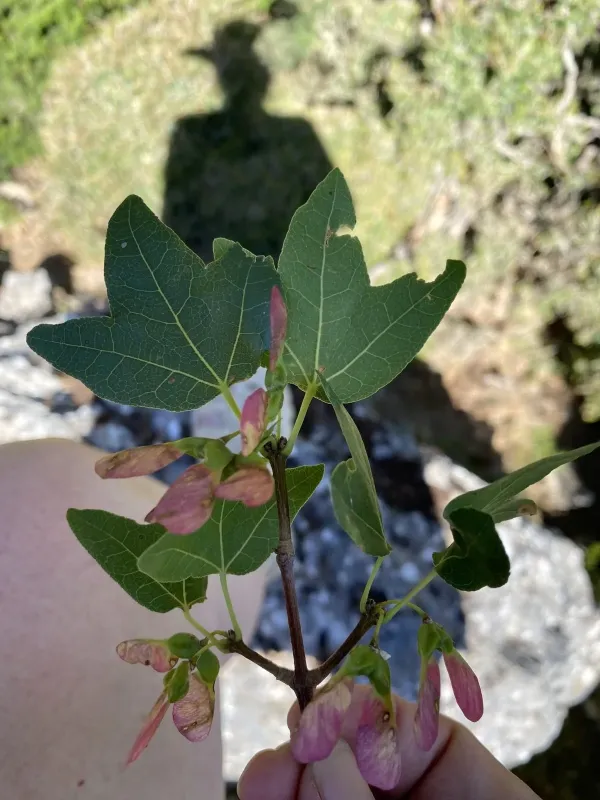
Description
Growing requirements
The Oriental maple (Acer orientale) is a deciduous tree belonging to the Sapindaceae family. It is native to the Eastern Mediterranean region, predominantly found in Turkey and nearby islands.
This species is well-adapted to calcareous and rocky soil types. Its natural resilience allows it to thrive in arid environments, making it a reliable choice for xeriscaping and soil stabilization.
For optimal growth, the Oriental maple requires full sun exposure. It develops a compact crown, which makes it aesthetically pleasing for various landscape architecture applications and public park designs.
The plant demonstrates moderate cold hardiness. While it can withstand dry spells, supplemental irrigation during the establishment phase ensures more vigorous development in the first years of growth.
Economically, it is valued for its hardiness and ornamental properties. It is often utilized in environmental restoration projects where fast growth and soil reinforcement are required.
Main diseases and pests
Powdery mildew is a common foliage disease that occurs during high humidity. Providing adequate air circulation between individual plants is the best preventative strategy.
Verticillium wilt remains a significant threat to the vascular system of the tree. Affected branches must be pruned back to healthy wood and tools must be disinfected after use.
Aphid infestations are frequently observed on young tender leaves during the spring season. Early intervention with insecticidal soaps can prevent significant plant stress.
Spider mites can become problematic during hot, dry summer months. Monitoring the undersides of leaves is essential for detecting the initial stages of pest colonization.
Scale insects can attach themselves to the bark of branches, sucking nutrients. Regular inspection of the trunk and branches helps to mitigate potential damage to the overall tree structure.