
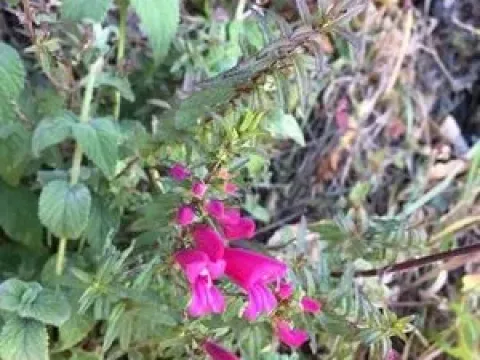
Lamourouxia
Lamourouxia
The genus Lamourouxia belongs to the Scrophulariaceae family. These plants are herbaceous perennials or shrubs naturally distributed in the mountainous areas of Mexico and Central America.
What the section contains

Lamourouxia
From an agronomic perspective, Lamourouxia is a specialized crop because it is a hemiparasite. Successful cultivation requires the presence of a host plant to support its root system and nutrient uptake processes.
The ideal soil conditions require well-drained, neutral or slightly acidic substrates with high organic matter content. Proper drainage is critical as the roots are highly susceptible to rot caused by waterlogging.
Climate requirements for this genus include moderate temperatures and good air circulation. The plants are adapted to high-altitude environments and do not thrive in conditions of extreme heat or harsh, prolonged frosts.
The economic value of this genus is limited, primarily restricted to botanical research and specialized collections where its unique biological interactions can be studied and observed.
The primary threats to Lamourouxia are fungal diseases involving the root system, which are often triggered by improper moisture management and inadequate soil ventilation.
Common pests include aphids, spider mites, and whiteflies, which frequently attack the succulent tissues of the plants when grown in greenhouse environments.
The health of the host plant is directly linked to the survival of Lamourouxia. Any stress or disease affecting the host will immediately impact the development and vigor of the parasite.
Integrated pest management is recommended, focusing on early detection and the use of environmentally safe pesticides that will not harm the symbiotic relationships established by the plant.
Preventive maintenance includes keeping the growing area clean and ensuring consistent airflow, which significantly reduces the risk of fungal proliferation and insect infestation.