
Lamourouxia rhinanthifolia
Lamourouxia rhinanthifolia
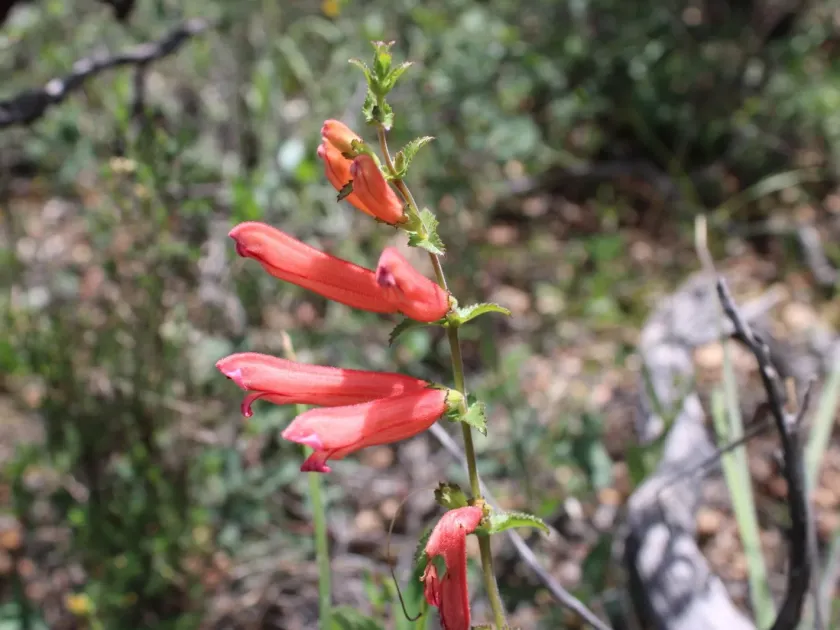
Description
Growing requirements
Lamourouxia rhinanthifolia is a perennial herb or subshrub belonging to the Scrophulariaceae family. In its natural habitat, it is primarily found in the mountainous regions of Mexico, thriving in conditions characterized by a temperate climate and high levels of ambient light.
Successful cultivation requires well-drained, fertile soils with a neutral to slightly acidic pH level. The plant is extremely sensitive to waterlogging in the root zone, making proper drainage systems or planting on raised beds essential to prevent root rot and ensure healthy development.
Biologically, the plant is adapted to open, sloped landscapes, requiring consistent access to direct sunlight. The temperature regime must remain stable, as the plant is susceptible to cold stress; sharp frosts can cause significant damage to its vegetative structures and reduce the overall vigor of the crop.
Agricultural practices for this species focus on a strictly controlled irrigation regime, particularly during the active flowering phase. Regular weeding is also critical, as the plant possesses moderate competitive abilities and can easily be suppressed by faster-growing invasive weed species.
In its natural environment, Lamourouxia rhinanthifolia exhibits hemiparasitic traits characteristic of many Scrophulariaceae. Its root system can develop haustoria to derive nutrients from neighboring vegetation, an important factor to consider when planning polyculture systems or garden bed arrangements.