
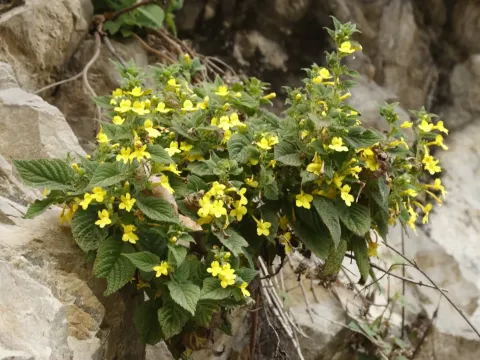
Lindenbergia
Lindenbergia
Lindenbergia is a genus of herbaceous plants belonging to the Scrophulariaceae family. Naturally distributed across Africa and Asia, these plants are well-adapted to arid environments, rocky terrains, and high levels of solar exposure.
What the section contains

Lindenbergia
For optimal growth, Lindenbergia requires a well-drained, porous soil structure. It thrives in sandy or loam substrates where moisture does not accumulate, as the root system is highly sensitive to waterlogging, which often leads to rapid decay.
Sunlight is the primary driver of development for this species. Being a heliophyte, it performs best in full sunlight conditions, which ensures not only vigorous growth but also the development of medicinal properties associated with its foliage.
Temperature requirements are strictly tropical or subtropical. The plant is extremely susceptible to frost, making it unsuitable for open-field cultivation in temperate zones unless grown in strictly controlled greenhouse environments.
In terms of agricultural utilization, Lindenbergia is cultivated primarily for its ethnopharmacological value. Its leaves and stems are often used in traditional medicine for their anti-inflammatory and wound-healing properties, driving interest in standardized cultivation techniques.
The primary threat to the crop is root rot caused by fungal pathogens, usually triggered by poor drainage or over-irrigation. Maintaining a strict irrigation schedule is essential to preventing total crop loss.
In indoor or greenhouse settings, pests such as aphids and spider mites are prevalent. These insects feed on the plant's succulent tissues, which can lead to stunted growth and reduced secondary metabolite production.
Powdery mildew represents a significant disease risk, especially in environments with high humidity and insufficient air circulation. Proper spacing between plants is recommended to ensure effective ventilation.
Integrated pest management (IPM) is the best approach for this crop. Mechanical removal of infested parts combined with targeted biological treatments ensures the quality of the raw material remains high for medicinal use.
Monitoring the soil moisture content remains the most critical aspect of disease prevention. By keeping the plant slightly on the drier side, growers can significantly reduce the pressure of fungal diseases.