
Lax cow-wheat
Melampyrum laxum
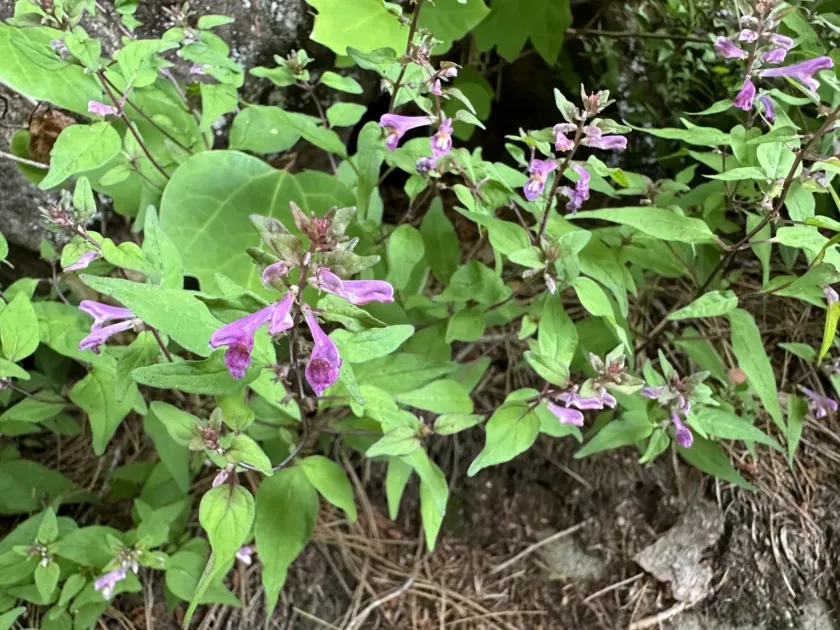
Description
Growing requirements
Lax cow-wheat (Melampyrum laxum) is an annual herb belonging to the Orobanchaceae family. This species is known as a facultative hemiparasite, meaning it can photosynthesize but also relies on host plants for water and nutrients.
The plant is native to various regions in Eurasia, typically inhabiting meadows, forest edges, and grasslands. It forms haustoria, specialized root structures that connect to the host plant to absorb essential resources.
Regarding climate and soil, it thrives in temperate regions with moderate moisture levels. It prefers soils that support the growth of grasses, which serve as the primary hosts for this parasitic weed.
Botanically, the species is characterized by its lax inflorescence and opposite leaves. Its lifecycle is strictly synchronized with the development of its host plants, which is a key factor in its survival strategy.
Agricultural fields that have not been maintained properly are susceptible to colonization by this weed. Its development is often limited by the density of the surrounding vegetation and the availability of potential host root systems.
Main diseases and pests
In an agricultural setting, Lax cow-wheat is considered a weed that reduces the biomass and nutritional value of hay fields by parasitizing forage grasses.
While there are no specific pests that target only Melampyrum laxum, the plant itself acts as a threat by competing with cultivated crops for vital resources and reducing overall soil fertility impact.
The plant can act as a secondary host for various plant pathogens, facilitating the spread of diseases such as powdery mildew within crop fields or pasture areas.
Effective management focuses on mechanical removal. Mowing the grass before the plant sets seeds is the most reliable way to prevent it from establishing a persistent seed bank in the soil.
Chemical control involving herbicides may be used in extreme cases, provided the timing does not interfere with the health of the primary crop being cultivated in the area.