
Aureolaria grandiflora
Aureolaria grandiflora
Description
Growing requirements
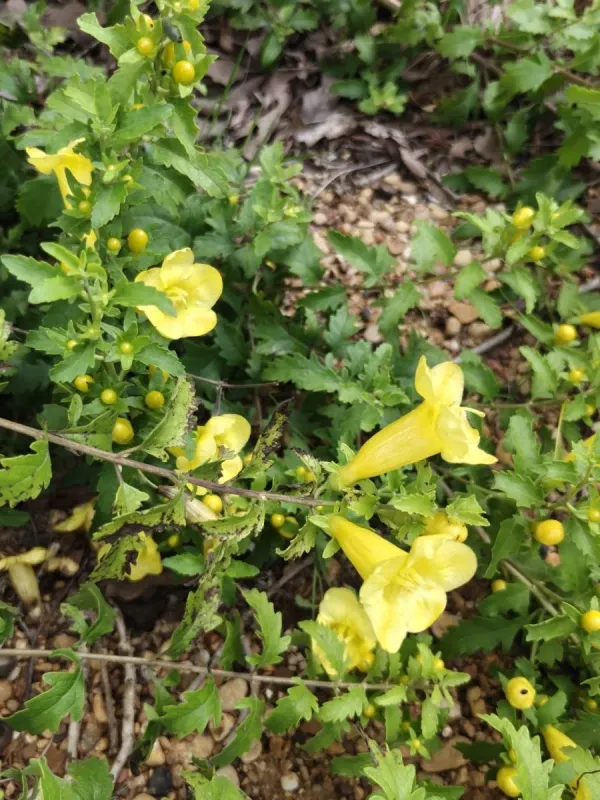
Aureolaria grandiflora, commonly known as the large-flowered yellow false foxglove, is a herbaceous perennial belonging to the Orobanchaceae family. This species is scientifically noted for its hemiparasitic lifestyle, relying on the roots of oak trees to supplement its nutrient intake.
Native to the eastern and central regions of North America, the plant is typically found in well-drained, acidic woodland soils. Its morphology includes bright yellow, tubular flowers that emerge during the late summer, making it a distinct member of its native forest ecosystem.
The plant requires specific ecological conditions to thrive, primarily focusing on the presence of a host tree and stable soil moisture. It performs best in partial shade, where the light regime mimics the dappled sunshine found under the canopy of deciduous forests.
Soil management for this species is highly specialized due to its parasitic nature, as it cannot be successfully cultivated in isolation without a compatible host root system. It is generally not grown as a standard agricultural crop, but rather studied for its role in biodiversity and forest health.
Regarding its survival, the plant is relatively resilient to environmental stressors within its native range but remains highly susceptible to habitat degradation. Conservation efforts often emphasize maintaining the health of the oak tree populations that the species depends upon for survival.