
Aureolaria flava
Aureolaria flava
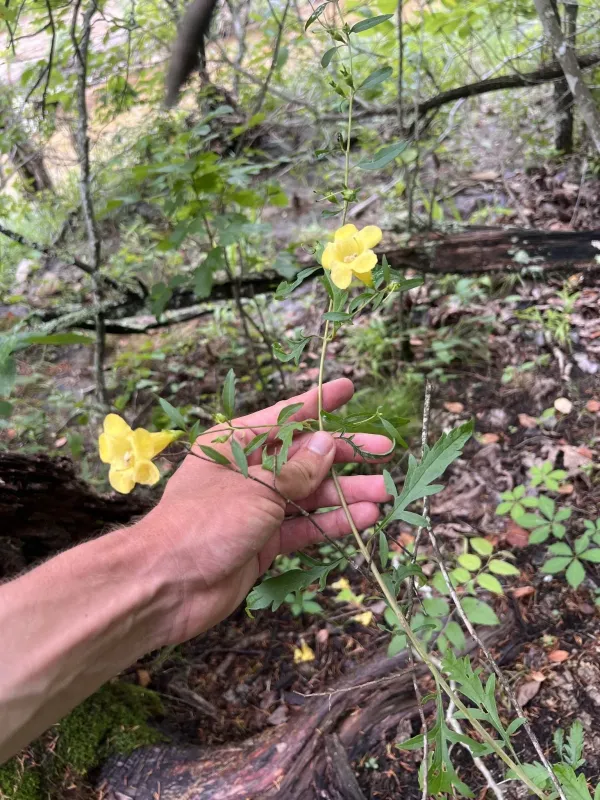
Description
Sowing dates
Aureolaria flava, commonly known as smooth yellow false foxglove, belongs to the Orobanchaceae family. It is a perennial herbaceous plant distinguished by its hemiparasitic lifestyle, relying on host plants for essential nutrients and water.
Sowing this plant is complex because the seeds require a period of cold stratification to break dormancy. Sowing should ideally occur in the autumn, allowing the seeds to experience winter conditions before attempting to germinate in the spring.
For successful growth, seeds must be placed near the root system of a suitable host plant, typically an oak tree. Without access to the host's roots, the seedlings will develop only for a short period before succumbing to nutritional deficits.
Cultivation requires specialized conditions that replicate a natural forest floor environment. The substrate should be rich in organic matter, such as leaf mold, to support the complex interaction between the parasite and the host.
Due to the difficulty in maintaining the necessary host-parasite balance, this plant is rarely found in commercial agriculture and is primarily cultivated by botanical enthusiasts and ecological researchers.
Growing requirements
Aureolaria flava thrives in open woodlands or areas with dappled sunlight. Excessive shade may reduce the flowering intensity, while too much direct sunlight can stress the plant and the host.
The soil should be well-drained, acidic, and consistently moist. It is crucial to maintain a stable environment, as fluctuating moisture levels can disrupt the absorption of nutrients from the host's roots.
The climate requirements align with the temperate zones of North America. The plant is hardy, provided that the soil is covered with organic mulch to simulate the natural insulation provided by fallen forest leaves.
Optimal growth is dependent on the health of the host oak tree. If the tree's roots are damaged or if the tree is unhealthy, the Aureolaria population will likely decline or fail to bloom.
Minimal intervention is the best approach to cultivation. Avoiding fertilizers is essential, as adding nutrients directly to the soil can interfere with the parasitic mechanism and encourage invasive weeds to outcompete the species.
Main diseases and pests
Root rot is the most significant threat, often caused by poor drainage or overwatering. Once the parasitic connection is compromised by fungal decay, the plant cannot easily recover.
Insect pests, including aphids and various leaf-chewing beetles, can weaken the plant. Because the plant is investing significant energy into its parasitic relationship, its resilience to pest infestation is lower than that of independent flora.
Drought is a severe threat, particularly if the host tree is also suffering from water scarcity. During these periods, the plant will rapidly wilt and may lose its flower spikes prematurely.
Competition from aggressive grasses and invasive weeds can smother the seedlings. Because Aureolaria grows relatively slowly at first, it requires a clean, undisturbed space to establish its root contacts.
Human activities, such as soil compaction or the use of systemic pesticides in the vicinity, are highly detrimental. These actions can damage the subterranean connections required for the plant's survival.