
Aureolaria pedicularia
Aureolaria pedicularia
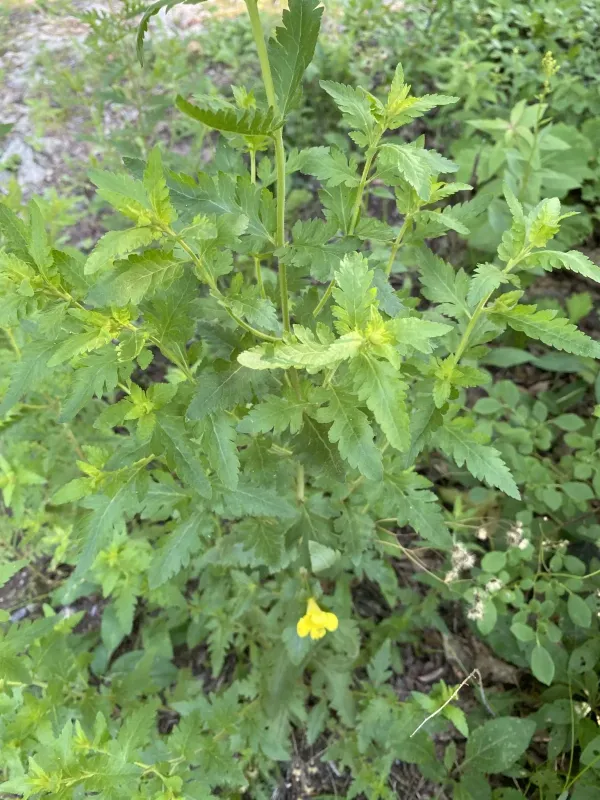
Description
Growing requirements
Aureolaria pedicularia is a perennial herbaceous plant belonging to the Scrophulariaceae family. It is characterized as a root hemiparasite, meaning it depends on the roots of host plants to supplement its water and nutrient requirements.
The native range of this species is located in the woodlands of North America. It historically thrives in environments that provide consistent soil moisture and a high degree of organic litter, typical of temperate forest floors.
Cultivation requires specific acidic soil conditions. Because the plant is specialized in its nutritional needs, it cannot be grown in standard garden soil without the presence of appropriate host roots, often woody species like oaks.
Environmental requirements include a stable, temperate climate with adequate shade. Exposure to intense sunlight and dry conditions will rapidly degrade the health of the plant, as it is biologically tuned to understory light levels.
The agricultural usage of Aureolaria pedicularia is limited to specialized ecological restoration and botanical research, as its complex parasitic lifecycle makes it difficult to maintain in high-yield or mass-production scenarios.
Main diseases and pests
Fungal diseases related to improper soil moisture are the primary threat. Overwatering or lack of proper drainage leads to root zone failure, which is lethal for this species.
The health of the plant is directly linked to its host; if the host plant suffers from drought or disease, the Aureolaria population will decline immediately due to nutrient deprivation.
Insects and pests, including aphids and leaf-chewing larvae, can impact the vigor of the plant, especially when it is already stressed by sub-optimal environmental conditions.
Competition from aggressive weeds often results in the displacement of Aureolaria, as it lacks the physiological competitive strength of non-parasitic plants in dense grass environments.
Nutrient toxicity, particularly from improper application of synthetic fertilizers, can damage the delicate haustorial connections between the parasite and the host.