
Downy yellow false foxglove
Aureolaria virginica
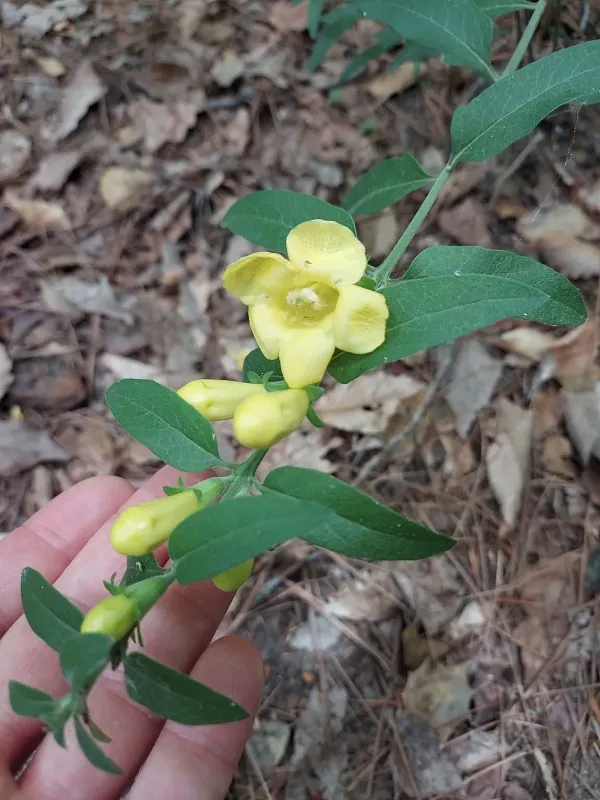
Description
Growing requirements
Aureolaria virginica, commonly known as the downy yellow false foxglove, is a perennial herbaceous plant belonging to the Orobanchaceae family. It is recognized as a facultative root hemiparasite.
The plant is native to the eastern regions of North America. Its natural habitat includes dry woodlands, particularly oak-hickory forests, where it thrives under specific light and soil conditions.
The core biological mechanism of this plant is the development of haustoria. These structures attach to the root systems of oak trees (Quercus), allowing the plant to extract water and essential nutrients directly from the host.
This species requires acidic, well-drained soil and the constant presence of its specific host trees. Because of these complex requirements, it is not cultivated for agricultural or commercial purposes.
As a non-crop species, its role is restricted to forest ecology. It serves as an indicator species for healthy, stable oak-dominated environments where nutrient cycles are well-preserved.
Main diseases and pests
Aureolaria virginica is not subject to agricultural pests or diseases. Since it is not a crop, it does not face the threats associated with intensive farming, such as fungal pathogens or monoculture-specific insects.
The primary threat to the species is habitat loss. The clearing of oak forests and urbanization drastically reduce the availability of suitable hosts, leading to population decline.
Soil disturbances and pollution can alter the chemical composition of the ground, potentially disrupting the delicate connection between the hemiparasite and its host's roots.
The plant's lifecycle is highly dependent on the host tree's health. Any stressors affecting the oaks, such as drought or disease, indirectly threaten the population of the false foxglove.
Conservation efforts for this species focus primarily on protecting old-growth oak woodlands. Maintaining these ecosystems is essential to support the unique biological needs of this parasitic wildflower.