
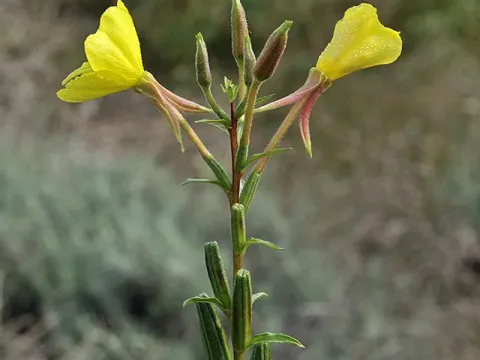
Adriatic evening primrose
Oenothera adriatica
Oenothera adriatica, a member of the Onagraceae family, is a promising specialty crop. Sowing is typically carried out in early spring, once soil temperatures reach 8–10°C, or via winter sowing to take advantage of natural stratification.
What the section contains
Adriatic evening primrose
Seeds should be planted at a shallow depth of 0.5–1 cm, as they are small and require good contact with the soil for germination. Row spacing of 45–60 cm is recommended to allow the plant to develop a robust rosette before bolting.
A seeding rate of 2–3 kg per hectare is standard. Because the seeds are tiny, a light roll after sowing is beneficial to ensure moisture retention and consistent emergence across the field.
Early growth is slow, making weed control in the first few weeks the most critical task. Cultivation should be managed carefully to avoid damaging the shallow root system of young plants.
In the second year, the plant shifts to rapid vegetative growth and flowering. Proper spacing ensures that the plants receive adequate sunlight, which is crucial for uniform seed pod development.
##requirements##Adriatic evening primrose thrives in well-drained, sandy-loam soils. It is sensitive to waterlogged conditions, which can lead to root rot; therefore, selecting sites with good drainage is essential for successful production.
The plant is relatively drought-tolerant once established but benefits from consistent moisture during the flowering and seed-filling stages. Proper hydration during these phases directly correlates with higher oil yields.
A neutral or slightly alkaline soil pH is ideal. If the soil is too acidic, liming prior to planting can significantly improve overall plant vigor and seed quality.
High levels of sunlight are required for optimal physiological function. Shaded conditions lead to reduced seed maturity and lower concentration of active compounds within the seeds.
Crop rotation is recommended to maintain soil health. Planting Adriatic evening primrose after cereals is a successful strategy, as it provides a clean field environment and reduces pressure from soil-borne diseases.
##yield##Average yields for Oenothera adriatica range from 0.8 to 1.5 tons per hectare. Its primary commercial value lies in the oil extracted from its seeds, which is rich in essential fatty acids.
High yields are contingent upon minimizing seed loss during harvest. Since pods ripen unevenly from the bottom up, timing the harvest to capture the maximum number of mature seeds is a key economic factor.
Integrated management, including proper irrigation and pest control, can boost productivity. Although the plant is self-fertile, healthy populations of pollinators can further increase pod set and weight.
Industrial demand for seed oil in the cosmetic and pharmaceutical sectors keeps this crop profitable for growers who can manage the specialized post-harvest cleaning and drying processes.
Effective storage is essential to preserve yield quality. Seeds must be processed and stored in cool, dry conditions to prevent the rancidity of the delicate oils contained within the seed embryo.
##threats##Powdery mildew is the most common fungal threat, particularly in humid climates with poor air circulation. Managing plant density and using appropriate fungicides are standard preventive measures.
Root rot caused by stagnant water or soil compaction can be detrimental. Promoting good soil structure through periodic subsoiling can help maintain plant health during rainy seasons.
Aphids and certain types of bugs may attack the flower stalks, causing stunted growth. Early detection and the application of systemic or biological insecticides are necessary to mitigate yield losses.
Weeds are the primary competitors for light and nutrients in the early growth stages. Pre-emergent herbicides or mechanical weeding are essential to allow the crop to establish dominance.
During storage, moisture levels must be monitored strictly, as high humidity can cause fungal growth and spoilage, ruining the valuable oil content of the harvest.
##harvest##Harvesting is usually done in two stages: cutting the plants into windrows to finish ripening, followed by threshing once the seed moisture levels have dropped to an acceptable range.
Combines used for threshing must be calibrated for low rotor speeds to avoid mechanical damage to the delicate seeds, which ensures the highest possible market price for the final product.
After threshing, seed cleaning is performed using air-screen separators to remove chaff and other organic debris. Impurities must be removed quickly to avoid transferring moisture to the seeds.
HDrying is a critical step, requiring temperatures below 40°C. Excessive heat during the drying process will degrade the chemical composition and medicinal properties of the extracted oil.
Final storage should take place in breathable bags within a temperature-controlled environment to ensure long-term stability and to prevent the oxidation of the seed oil.
[SOURCE] -