
Alpine willowherb
Epilobium anagallidifolium
Description
Growing requirements
Alpine willowherb (Epilobium anagallidifolium) is a herbaceous perennial belonging to the Onagraceae family. It is a strictly high-altitude plant adapted to harsh alpine and subalpine environments, often found near snowbeds or cold streams.
The plant requires cool, moist climates and cannot thrive in warm lowlands without strict environmental controls. The ideal soil profile for this species includes gritty, well-draining, slightly acidic substrates that mimic the mountainous rocky soils of its natural range.
Agronomic management of this species focuses on maintaining a temperature range of 5°C to 15°C and high atmospheric humidity. In artificial cultivation, shade cloth or cooling systems are often necessary to prevent thermal stress during summer months.
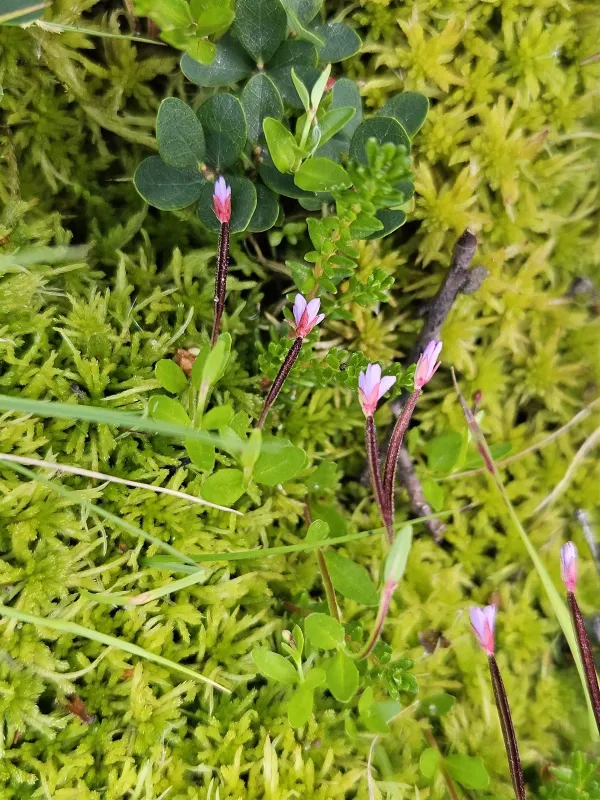
Botanically, Epilobium anagallidifolium is characterized by its low, prostrate growth habit and small, elliptical leaves. The flowers are typically pink, showcasing a delicate structure common to the willowherb genus, which aids in pollinator attraction in sparse mountain landscapes.
Economic and research usage is focused on its role in alpine ecosystem restoration and the potential study of its secondary metabolites, which are common within the genus for their various pharmaceutical properties and traditional folk applications.
Main diseases and pests
Pathogenic threats include various fungal infections, such as rusts and mildews, which flourish when the plants are grown in poorly ventilated or excessively stagnant environments. Root rot remains the primary danger during high-moisture periods.
Pests are generally limited in high-altitude conditions, but in cultivated settings, garden slugs and snails can cause significant damage to the foliage. Aphids may also occasionally colonize the flower buds, necessitating mechanical or mild biological control measures.