
Gold Coast jasmine
Jasminum dichotomum
Description
Growing requirements
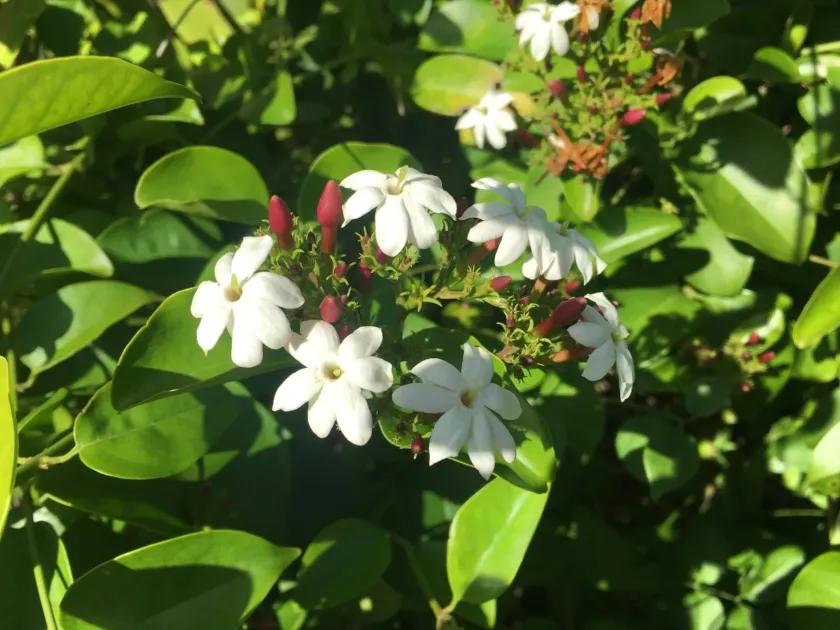
Gold Coast jasmine, scientifically known as Jasminum dichotomum, is an evergreen climbing shrub belonging to the Oleaceae family. Native to the tropical regions of West and Central Africa, it is widely recognized for its fragrant, star-shaped white flowers.
This species thrives in tropical and subtropical climates, requiring consistently warm temperatures throughout the year. It does not possess frost tolerance, making it suitable for temperate zones only in greenhouses or controlled indoor environments.
In terms of soil requirements, the plant prefers well-draining, nutrient-rich substrates that are slightly acidic to neutral in pH. Proper aeration is crucial to prevent root suffocation, especially when the plant is grown in large containers.
Light exposure is a critical factor for the vigorous growth of Jasminum dichotomum. While it appreciates bright, filtered sunlight, protection from harsh, direct afternoon rays is advised to prevent leaf scorching and desiccation.
Regular agricultural practices for this crop include consistent irrigation during the peak growing season and biennial pruning to maintain the desired shape. Maintaining high relative humidity levels significantly boosts the plant's overall vitality.
Main diseases and pests
The primary pests affecting Gold Coast jasmine are spider mites and mealybugs, which tend to infest plants kept in low-humidity environments. These pests can rapidly colonize leaves and stems, leading to severe vigor decline.
Scale insects are another common threat, often found along the veins of leaves or on woody stems. Regular monitoring and the application of horticultural oils or systemic insecticides are effective measures to mitigate these infestations.
Root rot is the most significant pathological threat, often resulting from excessive moisture and poor soil drainage. Ensuring that the planting medium dries slightly between waterings is a key preventive strategy against fungal pathogens.
Foliar diseases, such as powdery mildew, may occur in stagnant air conditions where humidity remains trapped on the leaf surfaces. Improving air circulation around the canopy helps to maintain a healthy foliage state.
Nutritional imbalances, characterized by interveinal chlorosis, are typically linked to deficiencies in iron or magnesium, which can be easily corrected by adjusting the fertilizer program and maintaining the appropriate soil pH level.