
Florida privet
Forestiera segregata
Description
Growing requirements
Florida privet (Forestiera segregata) is a prominent member of the Oleaceae family, native to the tropical and subtropical regions of the Americas, particularly Florida, the Caribbean, and Mexico. This versatile shrub is highly valued for its adaptability to diverse ecological environments, thriving in both coastal and inland habitats.
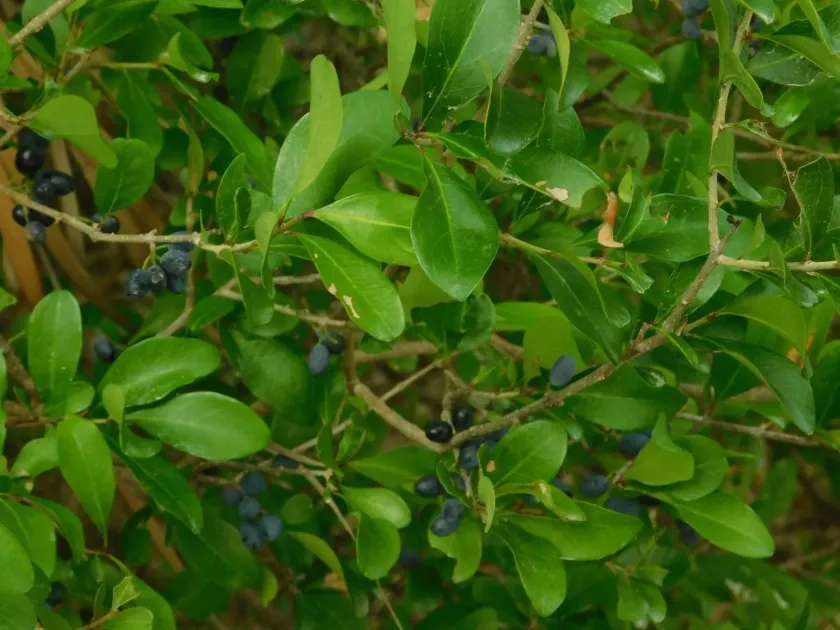
Botanically, the plant is characterized by its dense branching habit and small, leathery leaves that are well-adapted to high sun exposure. It produces inconspicuous flowers, which are later followed by small, dark purple-to-black drupes that serve as a crucial food source for various bird species, playing an essential role in local biodiversity.
Soil requirements for Forestiera segregata are relatively broad, though it flourishes best in well-drained, alkaline, or limestone-based soils. It is particularly noted for its high tolerance to saline conditions, making it an excellent candidate for maritime landscapes where soil salinity prevents the growth of many other common garden shrubs.
Climatic conditions for optimal growth involve warm to hot temperatures, as the plant is not frost-hardy in colder zones. It performs best in full sun to partial shade, requiring consistent light levels to maintain its dense foliage density, which is often requested for hedging purposes.
Agronomic management of Florida privet is minimal once established, owing to its significant drought tolerance. The plant requires minimal fertilization and maintenance beyond periodic structural pruning to encourage denser growth, making it a sustainable choice for large-scale landscaping and eco-restoration projects.
Main diseases and pests
The main threats to Florida privet often stem from improper site selection, specifically in areas with poor drainage. Excessive soil moisture is the primary cause of root rot, which can quickly lead to the decline of mature specimens if water management protocols are not followed.
Pest pressures primarily include scale insects, which can colonize the stems and foliage. Integrated pest management, focusing on biological controls or horticultural soaps, is recommended to manage populations without disrupting the beneficial insect balance within the garden ecosystem.
Fungal issues, such as powdery mildew, may occur during seasons with high humidity or poor airflow around the shrub's canopy. Ensuring proper spacing during planting is a key preventive measure to facilitate air movement and minimize the risk of pathogen accumulation.
Mites, including the spider mite, may become problematic during extended dry periods. Vigilance during summer months is necessary to detect early infestations, which can be mitigated through simple horticultural interventions or targeted irrigation to increase humidity around the plant.
To ensure plant health, regular monitoring and the removal of dead or crossing branches are advised. This practice not only enhances the visual appeal of the shrub but also prevents the harboring of pests and diseases that thrive in overcrowded or decaying wood environments.