
New Mexican desert olive
Forestiera neomexicana
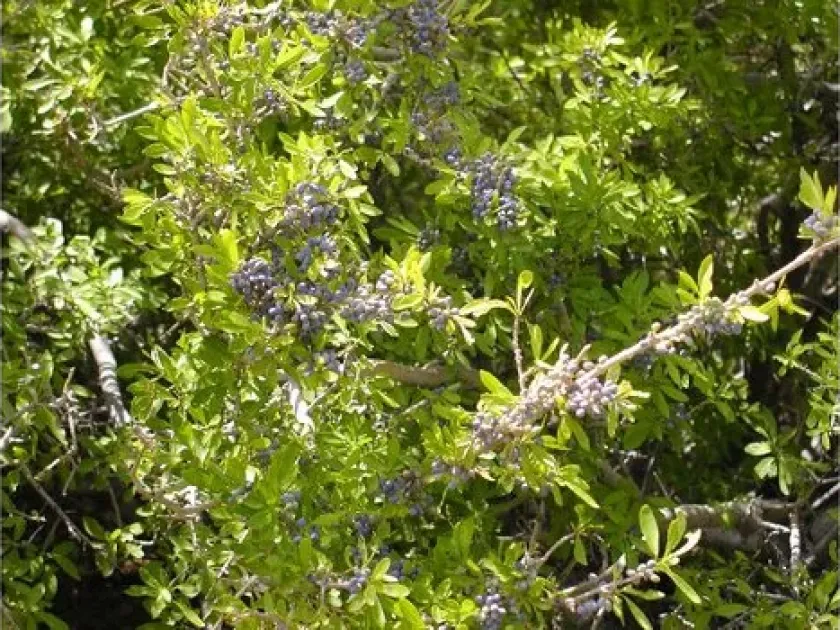
Description
Sowing dates
Propagation of Forestiera neomexicana is achieved through seeds or semi-hardwood cuttings. Seeds require a cold stratification period of 60 to 90 days to overcome dormancy and ensure successful germination.
For best results, seeds should be sown in prepared nursery beds during late autumn, allowing the natural winter chill to initiate the germination process by early spring.
Cuttings taken in mid-summer from healthy, semi-mature wood show good rooting success. These should be placed in a well-draining, sterile rooting medium and kept in a high-humidity environment.
Transplanting container-grown plants into the field or garden is recommended during the dormant season, preferably early spring. Ample spacing is required to ensure proper aeration.
Belonging to the Oleaceae family, this species is known for its slow initial growth rate, which requires consistent monitoring during the first two seasons to prevent competition from weeds.
Growing requirements
New Mexican desert olive is highly valued for its exceptional drought tolerance and ability to thrive in arid and semi-arid environments. It performs best in full sun to light shade.
The plant is not picky about soil types and demonstrates excellent adaptation to limestone, rocky, and alkaline soils. Proper drainage is the most critical factor for its long-term health.
Water requirements are minimal once the plant is established. Supplemental irrigation is only beneficial during the first growing season to encourage deep root formation.
It prefers well-ventilated locations with warm summers and relatively mild winters. It is highly resistant to temperature fluctuations common in mountain foothills and canyon regions.
Maintenance pruning is suggested to maintain a tidy appearance, particularly to remove crossing branches or to shape the shrub for hedging purposes in landscaping projects.
Main diseases and pests
This species possesses a robust natural defense mechanism, making it highly resistant to most common ornamental shrub pathogens. It is rarely affected by major disease outbreaks.
Excessive soil moisture is the primary threat to the plant's vitality, as it facilitates root rot. Careful site selection, avoiding low-lying areas, is the most effective preventative measure.
Minor pest issues, such as occasional aphid infestations, can occur on new growth. These are generally managed through natural predators or simple water jets, avoiding aggressive chemicals.
Scale insects can occasionally appear on the stems, but they rarely reach levels that require chemical intervention if the shrub is healthy and properly spaced.
Good agricultural practice, including seasonal cleanup of debris under the shrub and adequate airflow, serves as the best strategy for maintaining a pest-free environment.