
Forestiera pubescens
Forestiera pubescens
Description
Growing requirements
Forestiera pubescens, commonly known as desert olive, is a deciduous shrub belonging to the Oleaceae family. It is native to the southwestern United States and northern Mexico.
This shrub thrives in full sun exposure and is highly adaptable to various soil types, including rocky or calcareous substrates, provided there is adequate drainage.
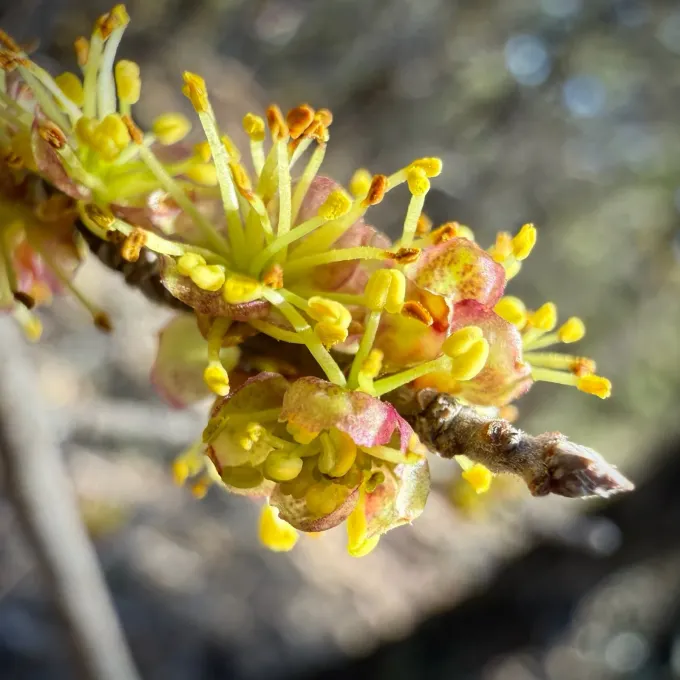
Botanically, it is characterized by its small, dense foliage and inconspicuous flowers that bloom in early spring, followed by small, dark drupes that are attractive to wildlife.
The plant demonstrates significant drought tolerance once established, making it an excellent candidate for xeriscaping and sustainable landscaping projects.
Standard agrotechnical practices include moderate fertilization during the early spring growth phase and light pruning to maintain a desirable shape and structural integrity.
Main diseases and pests
Common issues include root rot, which typically develops in poorly drained, waterlogged soils. Ensuring a proper planting site is the most effective preventative measure.
Insect pests such as scale insects and aphids may occasionally infest the stems or foliage, especially when the plant is under environmental stress.
Integrated pest management, including the use of horticultural oils and neem-based products, is recommended to control populations without damaging beneficial local pollinators.
Regular sanitation of the plant, including the removal of deadwood, minimizes habitats for wood-boring insects and prevents the spread of fungal spores.
Maintaining a healthy, stress-free environment through proper spacing and mulch application supports the plant's natural resilience against common horticultural threats.