
Forestiera acuminata
Forestiera acuminata
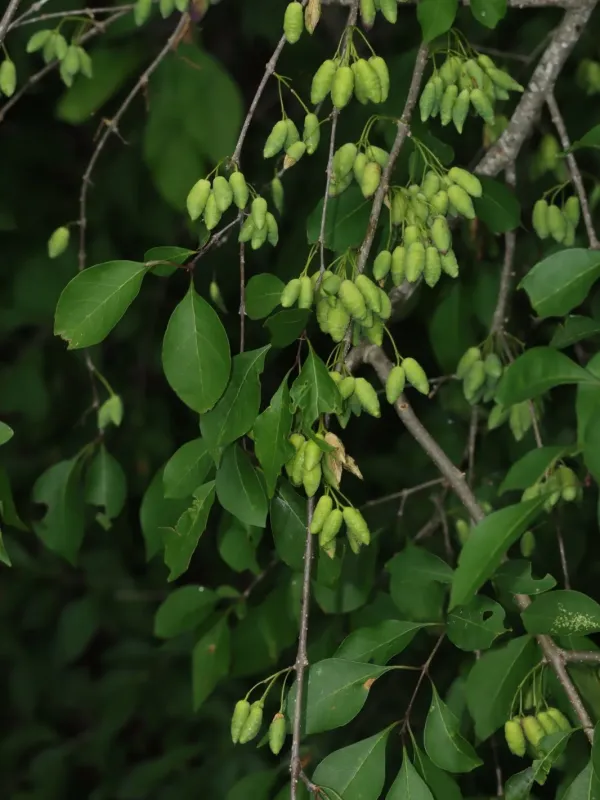
Description
Sowing dates
Forestiera acuminata, commonly known as swamp privet, is propagated primarily through seeds or semi-hardwood cuttings collected during the late summer months.
Seeds require a period of cold stratification for 60 to 90 days to break dormancy. Sowing should be timed so that seeds experience natural winter chilling before spring germination.
When using cuttings, treat the base with rooting hormones and plant them in a sterile, well-draining medium. Maintain a humid environment with indirect light until the root system establishes.
In nursery settings, seedlings should be spaced out to allow for sufficient air circulation, which prevents the development of fungal pathogens during the early growth phase.
Establishment of the root system is slow, so providing consistent irrigation during the first two years is critical for ensuring the long-term survival of the plant in the field.
Growing requirements
This species belongs to the Oleaceae family and is native to the floodplains and swampy forests of North America, reflecting its affinity for high-moisture environments.
The plant thrives in fertile, loamy soils that can hold moisture but also provide enough drainage. It is exceptionally tolerant of periodic flooding, making it ideal for wetland restoration.
While Forestiera acuminata prefers full sun for optimal flowering, it displays significant shade tolerance, allowing it to grow effectively in the understory of wooded areas.
It adapts well to a range of soil pH levels, including neutral to slightly acidic conditions. Enriching the soil with organic matter during initial planting improves plant vigor.
Once established, the plant demonstrates a moderate drought tolerance, although it performs best when supplied with adequate moisture throughout the growing season.
Main diseases and pests
Swamp privet is generally resistant to serious pests and diseases. However, in stagnant, high-humidity environments, leaf spot fungi can occasionally affect the foliage.
Aphids represent the most common pest threat, particularly in early spring when the plant produces new, succulent shoots that attract these insects.
Root rot can occur if the plant is grown in soil that lacks any drainage or is subject to prolonged water stagnation without movement, which creates an anaerobic environment.
In colder regions, deer and rodents may cause damage by gnawing on the bark during winter, necessitating the use of physical barriers or deterrents around the base of the stems.
Maintaining a proactive monitoring schedule helps to identify any early signs of stress or infestation, allowing for quick intervention before the health of the plant is compromised.
Harvesting
Forestiera acuminata is primarily used for ornamental landscaping, particularly in rain gardens and riparian buffers where its erosion-control properties are highly valued.
The small, dark-colored drupes produced by the shrub serve as an essential food source for various bird species, contributing to the biodiversity of the local ecosystem.
While not a traditional food crop, the plant is increasingly recognized for its role in sustainable reforestation projects designed to stabilize soil along disturbed riverbanks.
Landscape architects utilize this species for its early spring flowering, which provides a nectar source for early-emerging pollinators when few other food sources are available.
Seed harvesting is conducted when the fruits ripen to a deep blue-black color in late summer or early fall; seeds should be separated from the pulp to prevent decay during storage.