
Ximenia caffra
Ximenia caffra
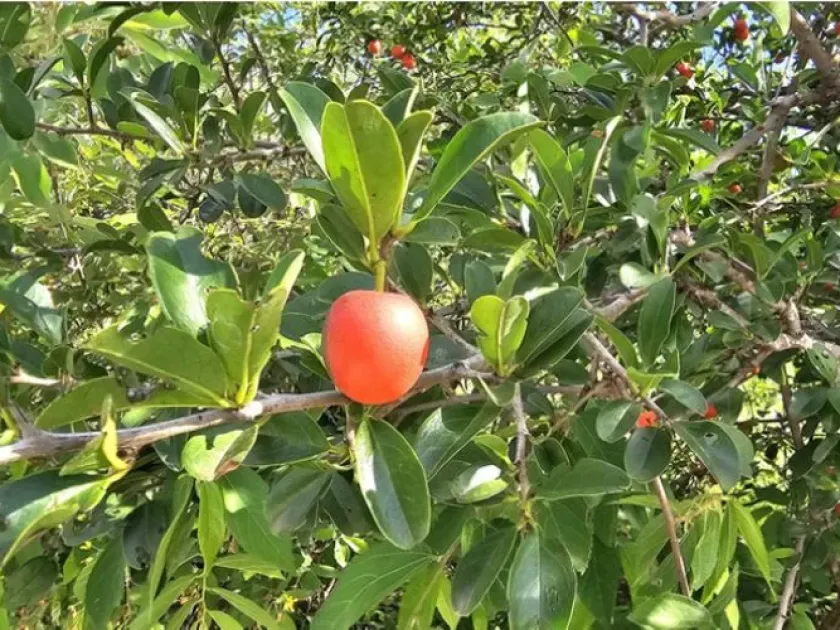
Description
Growing requirements
Ximenia caffra is a member of the Olacaceae family, commonly known as the sour plum. This species is native to tropical Africa and is widely adapted to various savanna environments.
The plant functions as a semi-parasitic shrub or small tree, often growing in association with other woody species to supplement its nutrient uptake.
For successful cultivation, well-draining, sandy or loamy soils are essential. It thrives in regions with high solar radiation and is highly resistant to heat and prolonged dry spells.
The plant is characterized by its spines, which act as a defense mechanism, and its small, leathery leaves that adapt to arid conditions.
Economically, Ximenia caffra is valued for its nutrient-rich fruits and seeds, which contain high-quality oils utilized in traditional medicine and cosmetic industries.
Main diseases and pests
The primary threats to this culture include root rot and fungal infections, particularly if the soil remains waterlogged for extended periods.
Pests such as scale insects and various leaf-eating caterpillars can damage foliage and impede the overall growth rate of the tree.
Fruit infestation by dipteran larvae is a common occurrence in humid environments, which may lead to significant harvest losses.
Maintaining adequate spacing between plants is recommended to ensure proper airflow and to mitigate the risk of disease transmission.
Regular monitoring of the canopy and soil drainage levels remains the most effective strategy for preserving the health of the orchard.