
Kolobopetalum chevalieri
Kolobopetalum chevalieri
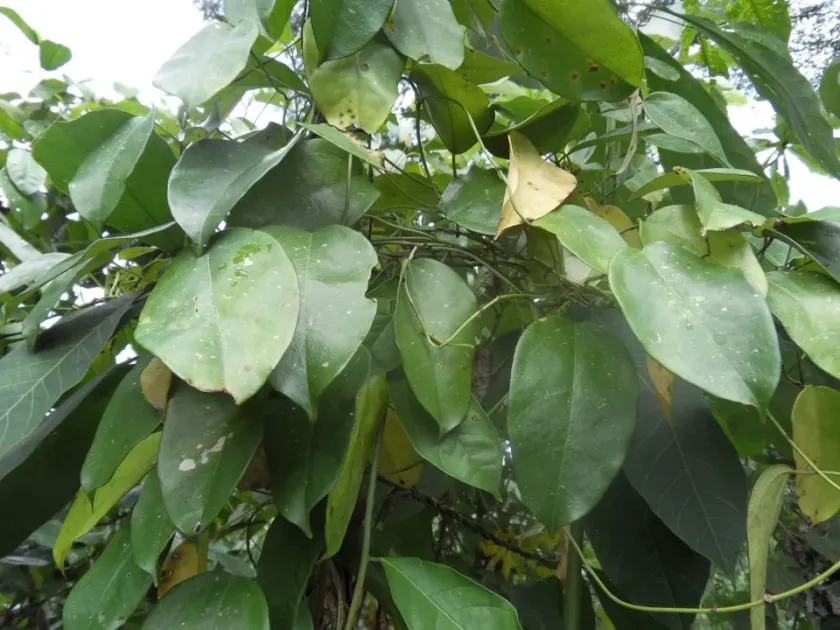
Description
Growing requirements
Kolobopetalum chevalieri is a plant species within the Menispermaceae family. It is a climbing vine native to the tropical forests of Africa, known for its distinct physiological adaptations to low-light, high-humidity environments.
The climate requirements for this culture are strict, demanding high constant humidity and temperatures between 25°C and 30°C. It is an understory plant, meaning it thrives under the canopy of larger trees and suffers from direct scorching sunlight.
Soil management for this species requires a substrate rich in organic matter, such as leaf mold, combined with excellent drainage. In a controlled agricultural environment, peat-based mixes with added perlite are often used to ensure root health and prevent compaction.
Agricultural techniques must prioritize the provision of vertical support structures. As a climbing plant, its development is hindered if it cannot grow upwards, and training the stems along trellises is standard practice in greenhouse cultivation.
Watering should be frequent but controlled. The root system is delicate and prone to suffocation in waterlogged soils, so irrigation intervals must be matched with the evaporation rate of the growing medium to maintain optimal moisture levels.
Main diseases and pests
Pest control is a significant challenge for this crop. Spider mites and aphids are the most common insects to infest the foliage, especially in greenhouse environments where natural predators are absent.
Fungal pathogens pose a constant risk to Kolobopetalum chevalieri. Conditions with high humidity but poor air movement create a breeding ground for gray mold and leaf spots, which can lead to significant biomass loss.
Root rot is the most lethal condition for this species. It is primarily caused by overwatering or the use of heavy, non-porous soils that prevent oxygen from reaching the roots, leading to plant decay.
Management of these threats includes strict sanitation practices. Removing dead or infected leaves immediately and ensuring that all containers and equipment are sterilized is essential for preventing the spread of diseases.
Integrated pest management (IPM) is recommended for this crop to minimize the use of harsh chemicals. Biological controls, such as introducing predatory mites or using neem-based oils, are generally safer for both the plant and the environment.