
Tetrazygia bicolor
Tetrazygia bicolor
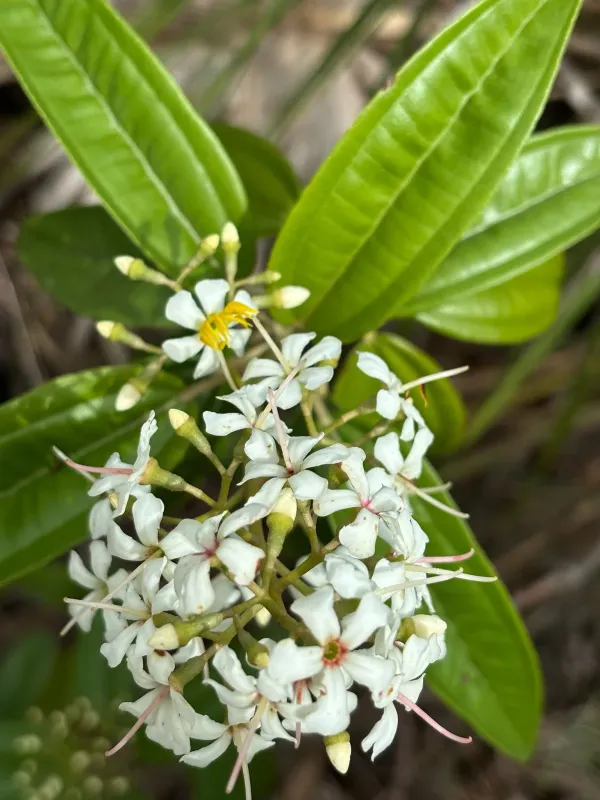
Description
Sowing dates
Tetrazygia bicolor is typically propagated by seeds or stem cuttings. Seeds require a sterile, well-draining potting medium to ensure successful germination without the risk of damping-off disease.
The sowing process involves surface-sowing the seeds, as they require light to germinate, and then covering them with a thin layer of vermiculite. Maintaining a consistent temperature between 22 and 26 degrees Celsius is critical for uniformity.
Stem cuttings are often preferred for cloning mature, healthy specimens. Semi-hardwood cuttings taken during the active growing season root well in a humid environment using a mix of peat and perlite.
Once rooted, young plants should be transplanted into larger containers with careful attention to root health. Gradual acclimatization to lower humidity levels is necessary before placing them in general nursery conditions.
Success in sowing depends on preventing moisture stress during the initial weeks. Using bottom heat during the propagation phase can significantly improve the survival rate of both seeds and cuttings.
Growing requirements
Native to the Caribbean and Florida, Tetrazygia bicolor belongs to the Melastomataceae family and thrives in tropical conditions. It demands a highly specific environment to maintain its vibrant green foliage and flowering cycle.
Soil requirements focus on acidity and organic matter content. A peat-based mix with a pH range of 5.5 to 6.5 is ideal; alkaline conditions must be avoided as they inhibit nutrient uptake, especially iron.
Light exposure must be filtered or indirect to prevent scorching the broad, veined leaves. In greenhouse settings, shade cloth is commonly used to protect the plants from high-intensity noon sunlight.
Watering requires precision: the substrate must remain consistently moist but never waterlogged. Since the species is sensitive to chlorine and heavy mineral content, the use of rainwater or deionized water is highly recommended.
Temperature management is the limiting factor in non-tropical regions. The plant cannot withstand frost, requiring a minimum temperature of 12-15 degrees Celsius year-round to prevent leaf drop and vascular damage.
Main diseases and pests
Spider mites are the most common pest, especially in dry greenhouse conditions. They thrive on the underside of leaves, causing yellow stippling and eventual leaf loss if left untreated.
Mealybugs can also infest the plant, particularly in the axils of the leaves. Regular inspection and the application of horticultural oils or systemic insecticides are effective measures to control these outbreaks.
Fungal diseases, including leaf spot pathogens, occur when ventilation is poor and humidity levels are too high. Improving air circulation around the canopy is the most effective preventative strategy.
Root rot is a major threat caused by overwatering or poor drainage. Infected plants show wilting despite moist soil; if detected early, repotting into fresh, dry soil and pruning affected roots can sometimes save the plant.
Nutrient deficiencies often manifest as chlorosis between leaf veins. Monitoring the pH of the irrigation water and applying chelated iron supplements is a standard practice to ensure the foliage remains dark green and healthy.