
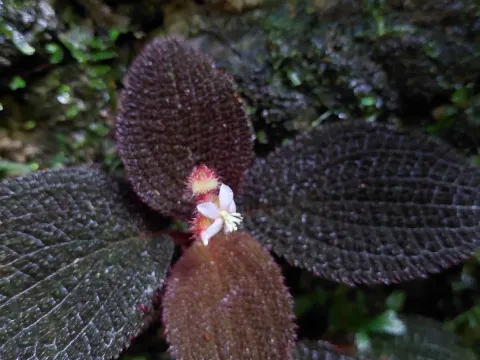
Triolena
Triolena
Triolena is a genus of tropical herbaceous perennials belonging to the Melastomataceae family. These plants are native to the understory of tropical rainforests in Central and South America, where they thrive in warm, humid conditions with filtered sunlight.
What the section contains


Triolena
The plant is highly prized for its unique foliage, which often features textured, asymmetrical leaves with striking venation. Botanically, Triolena species are known for their semi-succulent, brittle stems that can root easily at the nodes when they come into contact with moist soil.
Cultivation requirements are strict regarding environmental stability. Triolena prefers temperatures between 18°C and 25°C. It is intolerant to cold drafts and significant temperature fluctuations, which makes it suitable primarily for indoor cultivation or high-humidity terrariums.
The soil must be well-draining, acidic, and rich in organic matter. A mixture of peat moss, perlite, and pine bark is recommended to provide both aeration and moisture retention. Proper drainage is essential to ensure the roots do not remain waterlogged.
The primary use of Triolena is ornamental. It is a popular choice for indoor gardening enthusiasts, particularly for those designing vivariums or terrariums that simulate tropical ecosystems, due to its compact size and low-light tolerance.
The most common threat to Triolena is root rot, caused by overwatering or poor drainage. Excess moisture in the root zone quickly leads to the decay of the root system, which manifests as yellowing leaves and wilting stems.
Spider mites are a significant pest, especially in environments where humidity is not strictly maintained. These tiny arachnids feed on plant sap, causing stippling and discolouration of the foliage, which can eventually lead to leaf drop.
Mealybugs are another potential nuisance. These insects congregate in the leaf axils and along the stems, weakening the plant. Regular inspection and manual removal, or the application of horticultural soap, are effective management strategies.
Fungal leaf spot diseases may occur if the foliage is kept wet in a cool environment. Poor air circulation exacerbates this issue, creating an environment where pathogens can flourish. To prevent this, ensure gentle air movement around the plants.
Overall, maintaining a balance between high humidity and good airflow is key to preventing most pests and diseases. Providing stable conditions will significantly increase the plant's natural resilience against minor infections.