
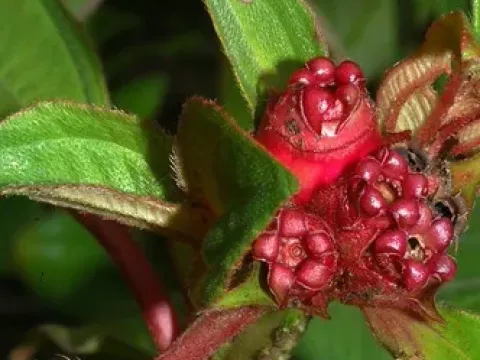
Tristemma
Tristemma
Tristemma is a genus of flowering plants belonging to the Melastomataceae family. These plants are native to the tropical regions of Africa, where they typically thrive in humid forest environments and open woodland areas.
What the section contains


Tristemma
Botanically, Tristemma is recognized by its opposite leaves, which often display prominent acrodromous venation, a common characteristic of the Melastome family. The plants may range from small herbs to semi-woody shrubs depending on the specific species.
Cultivation requirements for Tristemma include high temperature stability, ideally between 22°C and 28°C. They are strictly tropical plants and cannot tolerate even minor frost, making greenhouse protection essential in non-tropical climates.
The soil should be well-drained, acidic to neutral, and rich in organic matter. A mixture of peat, perlite, and bark is often recommended to ensure that the root system receives sufficient oxygen without becoming waterlogged.
Light levels should be high but filtered to prevent leaf scorching. Exposure to intense, direct tropical sun can damage the foliage, so maintaining light intensity through shading systems is a vital part of professional crop management.
The most significant pest risks for Tristemma include spider mites and mealybugs. These pests thrive in indoor environments with poor air circulation, necessitating regular monitoring and integrated pest management strategies.
Fungal diseases, primarily root rots caused by overwatering, represent a major threat to the plant's health. To mitigate this, substrate moisture levels must be monitored carefully, and drainage must be kept clear at all times.
Powdery mildew is another common issue, especially when humidity levels fluctuate or air stagnates within the growing facility. Improving horizontal airflow is the most effective cultural method to prevent the spread of fungal spores.
Nutritional deficiencies, specifically magnesium and iron deficiency, are common in container-grown specimens. Applying chelated micronutrients ensures that the plants maintain their vibrant green color and structural integrity.
Strict sanitation protocols during the propagation phase, such as the use of sterile tools and clean media, are essential for preventing the introduction of soil-borne pathogens into the crop cycle.