
Pleroma heteromallum
Pleroma heteromallum
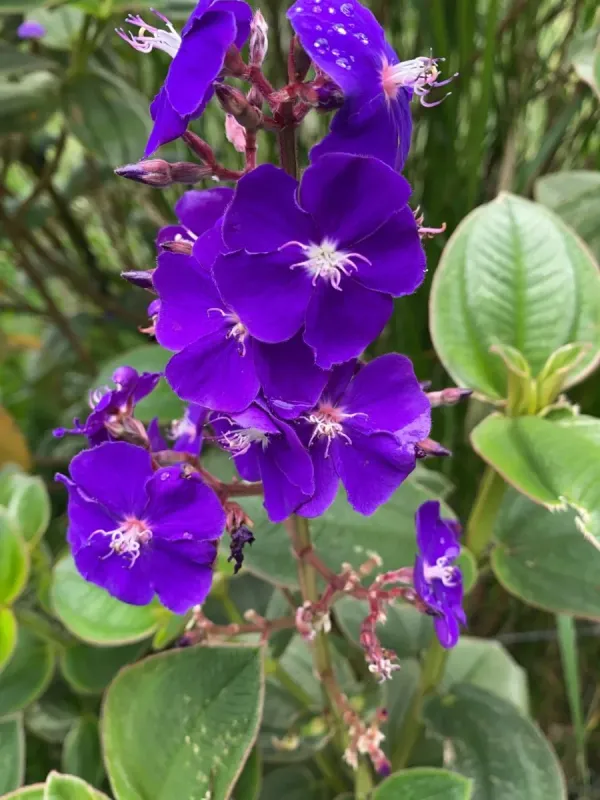
Description
Growing requirements
Pleroma heteromallum is a distinguished member of the Melastomataceae family, native to the tropical landscapes of South America. This evergreen shrub is celebrated for its velvet-textured foliage and vivid violet flowers that provide a stunning visual impact in garden collections.
Botanically, the species is characterized by its stiff, pubescent leaves and a branching habit that responds well to pruning. In its native environment, the plant thrives in humid conditions with consistent warmth, preferring locations that offer filtered sunlight.
Climate requirements for this plant are specific; it requires protection from frost and prefers temperatures ranging between 18 and 25 degrees Celsius. In non-tropical regions, it is cultivated as a greenhouse specimen or a seasonal patio plant that requires overwintering indoors.
Soil management for Pleroma heteromallum involves maintaining an acidic substrate, ideally between pH 5.5 and 6.5. A well-draining soil mix is critical, as the roots are sensitive to waterlogging and require efficient aeration to remain healthy and productive.
Agronomic practices include regular fertilization using balanced liquid feeds during the active growing season. Adequate pruning should be performed after the flowering period to encourage density and promote a more prolific blooming cycle in the following year.
Main diseases and pests
Common pests affecting Pleroma include spider mites and mealybugs, which are particularly prevalent in low-humidity indoor settings. Maintaining higher ambient humidity levels is an effective cultural method to deter these pests from colonizing the plant.
Root rot is the most significant pathological threat, usually caused by overwatering or poor drainage systems in containers. To mitigate this risk, it is essential to ensure that the potting medium remains moist but never waterlogged during the active growth phase.
Chlorosis, manifesting as leaf yellowing, is often a response to alkaline irrigation water that prevents the plant from absorbing necessary micronutrients. Using rainwater or softened water can significantly improve leaf color and overall vigor.
Leaf spot diseases, often caused by fungal pathogens, may emerge if the plant is kept in areas with stagnant air and excessive moisture on the foliage. Proper ventilation is vital for keeping the plant free from fungal infections.
Integrated pest management strategies, including the use of neem oil or horticultural soaps, are recommended when infestations are detected. Consistent monitoring of plant health allows for early intervention and maintenance of its ornamental value.