
Pleroma mutabile
Pleroma mutabile
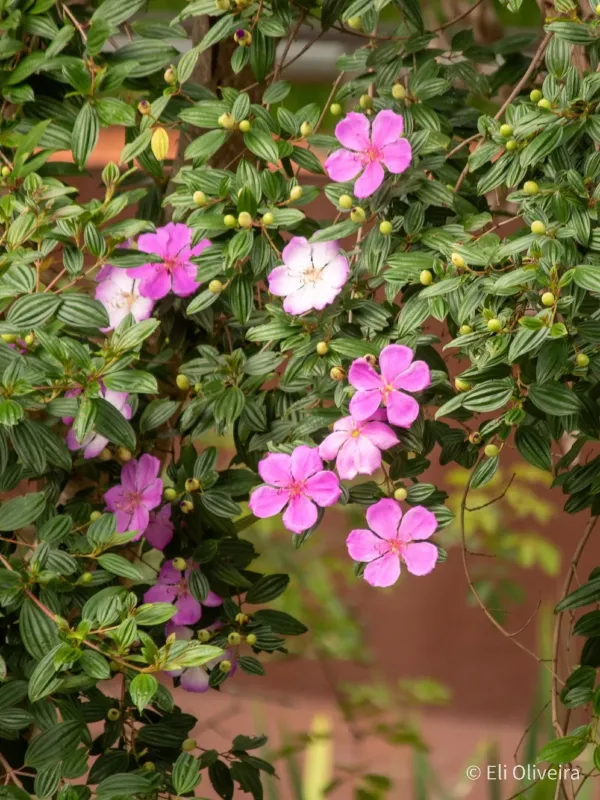
Description
Growing requirements
Pleroma mutabile, historically known as Tibouchina mutabilis, is a species within the Melastomataceae family. Native to the Atlantic Forest of Brazil, this plant is recognized for its woody, evergreen nature and its spectacular color-changing flowers.
Botanically, it features simple leaves with distinct parallel venation. The plant is primarily utilized in ornamental horticulture due to its unique flowering cycle, where blossoms shift from white to pink and violet, creating a multi-colored appearance on a single shrub.
This crop requires a tropical or sub-tropical climate to thrive. It is highly sensitive to frost, necessitating controlled environment management in non-tropical zones, such as greenhouses or conservatory settings where temperatures remain constant.
Soil requirements focus on acidity and high drainage capacity. The plant prefers organic-rich, loamy soils with a pH ranging from 5.0 to 6.5. Ensuring the substrate does not compact is essential for healthy root development and gas exchange.
Agrotechnical management involves consistent watering and a regular fertilization schedule. During the growing season, a balanced NPK fertilizer should be applied to support vigorous branch growth and promote the development of numerous inflorescences.
Main diseases and pests
Spider mites are the most prevalent pest, particularly in environments with low relative humidity. Effective management involves maintaining high moisture levels around the plant and utilizing miticides if infestations reach economic injury levels.
Scale insects and mealybugs frequently target the stems and leaf axils. Scouting programs should be established to detect these pests early, allowing for spot treatments with horticultural oils or systematic insecticides.
Root rot is a critical threat caused by over-irrigation and poorly structured soil. Pathogens such as Phytophthora or Pythium can compromise the root system quickly, leading to total plant failure if preventative drainage measures are not maintained.
Chlorosis, manifesting as yellowing between the veins of the leaves, is a common deficiency symptom in Pleroma. It is usually addressed by correcting soil pH levels and providing chelated iron supplements to restore chlorophyll synthesis.
To maintain general plant hygiene, annual pruning is highly recommended. This practice not only shapes the shrub but also removes dead or crowded branches, reducing the niche areas for fungal growth and improving overall air circulation.