
Pleroma clavatum
Pleroma clavatum
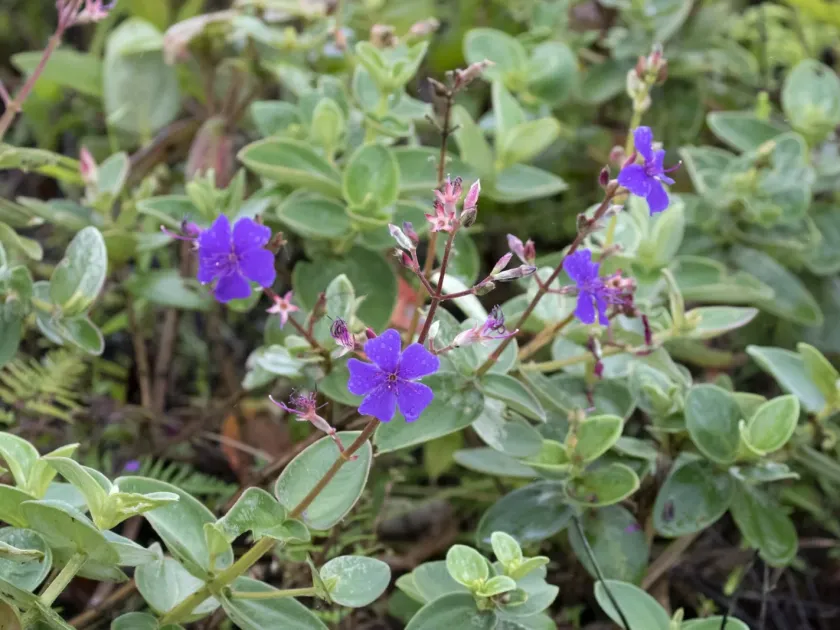
Description
Growing requirements
Pleroma clavatum is a distinguished member of the Melastomataceae family, native to the tropical forests of South America. It is recognized for its ornamental potential and specific ecological requirements.
The plant requires a well-drained, nutrient-rich soil medium with a slightly acidic pH level. It is essential to ensure that the substrate is organic-rich, imitating the forest floor conditions of its natural habitat.
Optimal growth is achieved under bright, indirect light conditions. Direct exposure to intense midday sunlight can lead to leaf scorch and dehydration, significantly impacting the plant's photosynthetic capacity.
Temperature management is critical; the species thrives between 18 and 26 degrees Celsius. Exposure to temperatures below 15 degrees Celsius can trigger dormancy or damage the plant's delicate vascular tissue.
Consistent humidity levels of 60-70% are necessary to maintain foliage health. Regular irrigation should provide moisture without saturating the roots, which necessitates a high-quality drainage system in containers.
Main diseases and pests
Spider mites represent a major threat to Pleroma clavatum, particularly in low-humidity environments. Regular inspection of the underside of leaves is recommended for early detection of these pests.
Mealybugs are another common concern, often hiding in the leaf axils. Mechanical removal combined with systemic insecticides is the standard procedure for controlling these infestations effectively.
Fungal pathogens such as root rot can occur due to waterlogged soil conditions. Implementing proper watering schedules and ensuring adequate soil aeration are vital preventive agronomic practices.
Leaf spot diseases may occur if the foliage remains wet for extended periods, especially in poor air circulation conditions. Improving ventilation is essential to mitigating the risk of fungal spread.
Nutrient deficiencies, specifically iron-induced chlorosis, are common if the pH level of the substrate is not maintained correctly. Regular soil testing and appropriate fertilization are required for consistent health.