
Pleroma granulosa
Pleroma granulosa
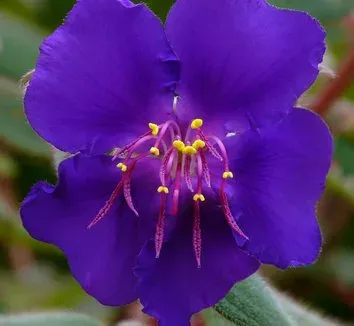
Description
Growing requirements
Pleroma granulosa, commonly known as the purple glory tree or Tibouchina granulosa, is a stunning ornamental species within the Melastomataceae family. Native to the Atlantic Forest biome of Brazil, this plant is celebrated for its lush, textured foliage and vibrant, large violet-purple flowers.
This species thrives in tropical and subtropical climates where temperatures remain consistently warm throughout the year. It requires a location with full sun to partial shade, ensuring the plant receives enough light to maintain its intense bloom production.
The ideal growing medium for Pleroma granulosa is a rich, acidic, and well-draining soil. Because of its sensitivity to root rot, ensuring that the planting site has excellent drainage is a critical requirement for successful cultivation in both gardens and containers.
Agricultural management involves consistent watering to maintain moderate soil moisture without waterlogging. Frequent pruning is also recommended to maintain a compact, bushy shape and to stimulate the development of new flowering branches after each blooming season.
The main purpose of Pleroma granulosa is decorative, often planted as a specimen tree in parks or gardens, or kept in large containers. It serves as a visual focal point due to its dense, colorful display which persists for significant portions of the year.
Main diseases and pests
Fungal pathogens are the primary threat to the health of Pleroma granulosa, particularly those that target root health under waterlogged conditions. Maintaining proper soil moisture levels and avoiding over-irrigation are the most effective preventative measures.
Common pests such as scale insects, spider mites, and aphids can infest the plant, especially when it is under stress or kept in environments with poor air circulation. These pests can significantly stunt plant growth and damage the aesthetic value of the leaves.
Chlorosis is a frequent nutritional issue, often manifesting as interveinal yellowing of the leaves due to a deficiency in iron or magnesium. This condition is easily corrected with appropriate micro-nutrient fertilization programs tailored to the plant's needs.
Leaf spot diseases can occur during humid seasons if the foliage remains wet for extended periods. Pruning the center of the plant to increase airflow is a key cultural practice to reduce the incidence and spread of leaf-borne infections.
Integrated pest management protocols should be implemented, focusing on early detection and the use of targeted treatments. Avoid broad-spectrum pesticides that may harm beneficial insects, opting instead for environmentally friendly solutions whenever possible.