
Pachycentria formosana
Pachycentria formosana Hayata
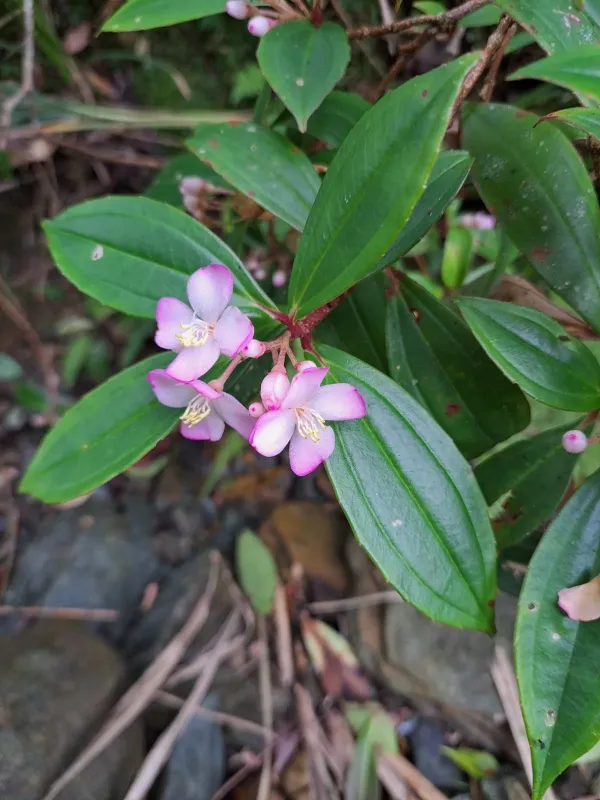
Description
Growing requirements
Pachycentria formosana is an interesting epiphytic shrub belonging to the Melastomataceae family. Native to the mountainous regions of Taiwan, this species has evolved to thrive in high-humidity environments, typically attached to the trunks or branches of tropical trees.
The botanical profile of this culture is characterized by succulent stems and leathery leaves. These features are evolutionary adaptations designed to manage water storage efficiently in an environment where ground access to nutrients is limited or non-existent.
Cultivation requirements dictate a stable tropical environment with temperatures ranging from 20 to 28 degrees Celsius. Humidity levels must remain consistently high, which can be challenging to maintain outside of a controlled greenhouse or terrarium setting.
The growing medium for this species must be highly porous. Successful growers typically utilize a mix of pine bark, charcoal, and sphagnum moss. This combination ensures that the roots receive ample oxygen while maintaining the necessary hydration level.
Its primary use is ornamental, specifically within specialized horticultural collections. Due to its unique biological requirements and aesthetic appeal, Pachycentria formosana is often sought after by enthusiasts dedicated to the propagation of rare tropical flora.
Main diseases and pests
Root rot is the most significant threat to Pachycentria formosana, typically caused by improper drainage or excessive watering. Once the root system is compromised, the plant struggles to recover due to its slow metabolic rate as an epiphyte.
Pests such as spider mites and mealybugs pose a constant risk. These insects exploit the crevices of the plant's stems and the underside of leaves, extracting nutrients and weakening the plant's structural integrity.
Integrated pest management is recommended for maintaining the health of this culture. This includes the manual removal of insects and the periodic application of diluted insecticidal soaps, ensuring the plant is not subjected to harsh chemicals.
Environmental stress, such as low humidity or lack of airflow, often precedes pest outbreaks. Maintaining a consistent microclimate is therefore the primary method of preventing both disease and insect colonization in indoor setups.
Regular sanitation of the growing environment is essential. Removing fallen leaves or decaying organic matter from the base of the plant prevents the accumulation of fungal pathogens that thrive in damp, stagnant air.