
Dissotis
Dissotis
Dissotis is a genus of evergreen shrubs and herbaceous plants belonging to the Melastomataceae family. Native primarily to the tropical regions of Africa, these plants are renowned for their vibrant flowers and unique foliage characteristics.
What the section contains


Dissotis
Cultivation of Dissotis requires a warm, frost-free climate, making it an ideal choice for tropical gardens or as a conservatory plant in temperate regions. It thrives in environments where humidity levels are kept consistently high throughout the year.
The plants require well-draining, acidic, and nutrient-rich soil to thrive. Proper drainage is critical, as the root system is prone to damage if exposed to waterlogged conditions, which often occur in heavy clay soils.
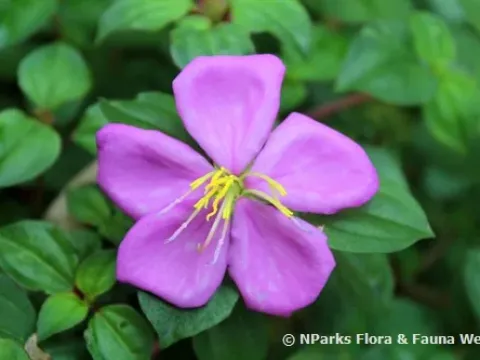
Botanically, the plant is distinguished by its leaves, which feature the classic longitudinal veining pattern typical of the Melastomataceae family. The flowers are generally large, showy, and range in color from shades of pink to deep purple, often featuring prominent stamens.
In ornamental horticulture, Dissotis is valued for its ability to provide long-lasting color in landscaping projects. It serves well as a focal point in borders or as a decorative hedge in environments that mimic its natural African habitat.
Root rot remains the most significant threat to the health of Dissotis, usually caused by improper irrigation practices or poor soil aeration leading to stagnant water near the base.
Pests such as spider mites and mealybugs frequently target the plant, especially in indoor settings where the air may become dry and stagnant, facilitating rapid population growth.
Fungal leaf spots can also occur if the foliage remains wet for extended periods without adequate air circulation, necessitating better spacing and ventilation management.
Aphids may occasionally infest new growth and flower buds, causing deformation and reducing the overall aesthetic appeal of the plant during its peak flowering season.
Integrated pest management, including regular inspection and the timely application of horticultural oils or soaps, is recommended to keep the plants free from common infestations.