
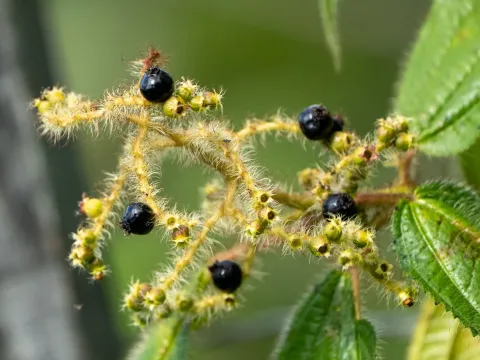
Conostegia
Conostegia
Conostegia is a diverse genus of shrubs and small trees belonging to the Melastomataceae family. Native primarily to the Neotropics, these plants thrive in the humid forest environments of Central and South America, as well as the Caribbean islands.
What the section contains

Conostegia
The botanical characteristics of Conostegia include simple, opposite leaves with prominent longitudinal veins, which is a hallmark feature of the Melastomataceae family. The flowers are typically white or pinkish, providing a significant nectar source for local pollinating insects.
To cultivate Conostegia successfully, one must maintain a tropical climate with high levels of ambient humidity and consistent temperatures. The plants are intolerant of frost and require a controlled environment if grown outside their natural latitudinal range.
The ideal growing medium consists of well-drained, acidic to neutral soil rich in organic matter. Proper aeration is essential, as the roots are highly susceptible to rot if submerged in stagnant water for extended periods.
Agricultural management involves regular irrigation and the application of balanced liquid fertilizers during the growing season. Pruning is often necessary to maintain the plant's shape and to encourage denser foliage and better floral displays in ornamental applications.
Conostegia is prone to several fungal diseases, particularly under conditions of poor air circulation and excessive dampness. Powdery mildew and leaf spot are the most common afflictions, which can defoliate the plant if not addressed early.
Insect pests such as spider mites, mealybugs, and scale insects frequently infest these plants in greenhouse settings. These pests suck the sap from the leaves, causing chlorosis and stunted growth, which undermines the plant's health.
Effective management strategies include the implementation of integrated pest management (IPM) practices, emphasizing biological controls where possible. Regular monitoring of the foliage and stems is crucial for early detection of pest colonies.
Root pathogens, including various species of Phytophthora, pose a lethal risk to Conostegia. Ensuring the use of sterile growing media and avoiding over-watering are the primary defenses against these soil-borne threats.
Environmental stress, such as sudden temperature drops or nutrient deficiencies, can significantly lower the plant's natural immunity. Maintaining optimal growing conditions is the most reliable way to prevent opportunistic disease outbreaks.