
Heterocentron
Heterocentron
Heterocentron is a genus of plants belonging to the Melastomataceae family, comprising several species of evergreen herbs and subshrubs. These plants are native to the tropical regions of Mexico, Central America, and parts of South America.
What the section contains


Heterocentron
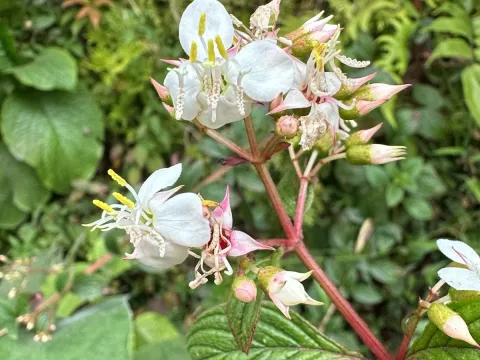
Botanically, they are distinguished by their opposite leaves with prominent longitudinal veins, a hallmark of the Melastomataceae family. The flowers are typically four-petaled, showcasing vibrant purple or pink hues that attract pollinators in their natural habitats.
The culture requires a warm and humid environment, reflecting its tropical origin. Temperatures should ideally remain between 18 and 25 degrees Celsius, as the plant is not frost-hardy and will suffer damage if exposed to cold conditions.
Regarding soil requirements, Heterocentron thrives in well-draining, nutrient-rich substrates that maintain slight acidity. It is vital to provide consistent moisture to the root system without causing waterlogging, which is detrimental to the plant's health.
The primary use of this plant is ornamental, particularly in greenhouse collections, interior landscaping, or as a seasonal groundcover in warm climates. Its ability to bloom profusely makes it a popular choice for hanging baskets and indoor containers.
Common plant health issues usually stem from inadequate cultivation practices. Overwatering is the most frequent cause of root rot, which often leads to the sudden wilting and collapse of the entire specimen if not addressed immediately.
Pests such as spider mites and mealybugs represent the primary biological threats to the plant's vigor. Spider mites thrive in low-humidity environments, making indoor cultivation particularly susceptible to rapid infestations that require diligent monitoring.
Management of pest populations involves both manual intervention and the use of targeted insecticides. Ensuring proper air circulation is essential for preventing the rapid spread of these pests across the foliage and stems.
Fungal diseases, including leaf spots, are generally linked to poor airflow and excessive moisture settling on the leaves. Proactive pruning and cleaning of necrotic plant material are necessary to prevent the spread of localized infections.
Maintaining plant vitality is best achieved through a balanced fertilizing program during the active growing season. Avoid high-nitrogen fertilizers that promote excessive vegetative growth at the expense of floral development and general resilience.