
Dissotis grandiflora
Dissotis grandiflora
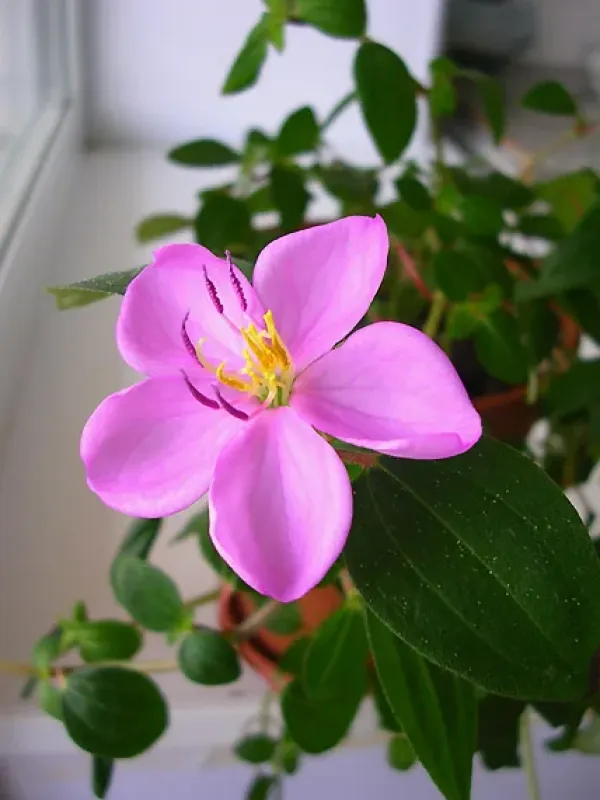
Description
Sowing dates
Propagation of Dissotis grandiflora is primarily achieved through seed sowing or stem cuttings, which are effective for maintaining the plant's structural characteristics.
Seeds should be sown in late winter within a controlled environment, maintaining a substrate temperature of approximately 20 to 22 degrees Celsius for optimal germination rates.
A loose, peat-based growing medium supplemented with perlite is highly recommended to ensure adequate aeration and moisture retention for delicate seedlings.
Transplanting seedlings into individual containers is performed once they develop two sets of true leaves, allowing for the gradual acclimatization to ambient conditions.
Summer stem cuttings from semi-hardened shoots are efficient for mass production, provided they are kept in a high-humidity environment to encourage root initiation.
Growing requirements
Dissotis grandiflora belongs to the Melastomataceae family and is native to the tropical regions of Africa, where it thrives in warm and humid conditions.
The plant requires bright, indirect light, as direct sunlight can cause significant tissue damage to the leaves, leading to chlorosis or burnt foliage areas.
A consistent watering schedule is vital during the growing season; however, excellent drainage is mandatory to prevent waterlogging and root rot development.
Temperature stability is critical, with the ideal range being between 18 and 26 degrees Celsius, as the plant does not tolerate sudden thermal fluctuations or cold drafts.
Maintaining high relative air humidity is essential, especially in indoor environments, where regular misting or the use of humidifiers helps sustain the plant's health.
Main diseases and pests
Common indoor pests such as spider mites, mealybugs, and scale insects frequently target the plant, especially when ambient humidity levels are insufficient for the species.
Regular inspection of the foliage, particularly the undersides of leaves, is necessary to detect pest infestations early and allow for targeted chemical or manual intervention.
Fungal diseases, including root rot and leaf spots, often develop due to poor ventilation combined with excessive soil moisture or stagnant air around the canopy.
To prevent disease progression, it is important to remove any damaged or decaying leaves promptly and ensure a balanced approach to fertilizing and watering.
The implementation of proper cultivation practices and regular preventative treatments is the most effective way to protect Dissotis grandiflora from potential threats.