
Dissotis fruticosa
Dissotis fruticosa
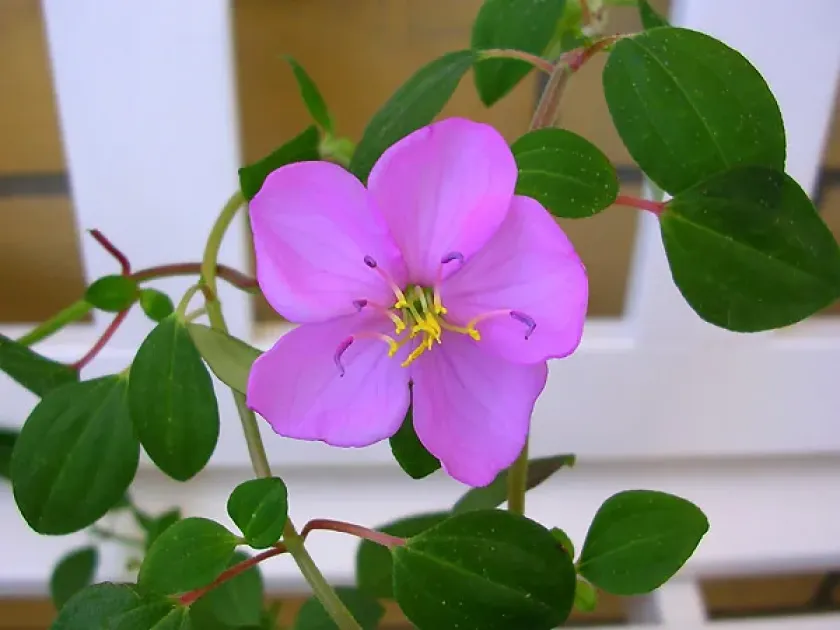
Description
Growing requirements
Dissotis fruticosa is a prominent shrub species belonging to the Melastomataceae family. It is recognized for its robust, evergreen growth habit and its ability to provide significant ornamental value in suitable climates.
The plant originates from tropical Africa, where it thrives in moist meadows and forest margins. Its natural habitat suggests a preference for regions characterized by steady tropical temperatures and high atmospheric humidity.
Botanically, this shrub features oppositely arranged leaves with distinct longitudinal venation patterns. Its most striking feature is the clusters of large, vibrant violet-purple flowers that appear during the growing season.
Successful cultivation requires a frost-free environment with consistent warmth. The soil should be acidic, well-draining, and rich in organic matter to mimic the natural nutrient-rich conditions found in its native ecosystem.
Routine care involves consistent irrigation to keep the root ball moist, alongside periodic pruning to maintain a desirable shape and encourage the development of dense, flowering branches throughout the season.
Main diseases and pests
The plant is susceptible to common greenhouse pests, including spider mites and mealybugs, which tend to flourish in indoor settings with low air humidity levels and poor circulation.
Pathogenic threats mainly involve root rot diseases. These are typically triggered by waterlogging and poor soil aeration, which compromise the plant's vascular system and lead to rapid wilting of the foliage.