
Weak Dissotis
Dissotis debilis
Description
Growing requirements
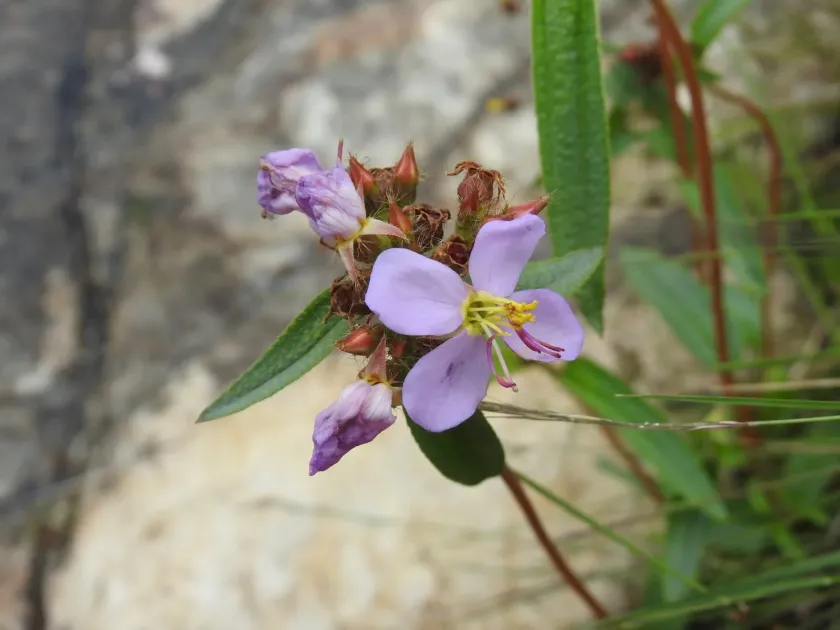
Weak Dissotis (Dissotis debilis) is a herbaceous plant species belonging to the Melastomataceae family. Native to tropical Africa and Madagascar, it is recognized for its unique botanical structure and attractive aesthetic appeal.
The plant requires a warm and humid environment to thrive. Ideal growing conditions include bright, indirect sunlight, as direct intense sun exposure can lead to leaf scorching. High humidity levels are essential, mimicking its natural tropical habitat.
Soil requirements for Dissotis debilis center on a nutrient-rich, well-draining substrate. It prefers a slightly acidic to neutral soil profile. Proper drainage is crucial to prevent root rot, which is a common issue in poorly managed pots.
Agricultural management involves regular watering to keep the substrate consistently moist but not waterlogged. Periodic fertilization with a balanced, water-soluble fertilizer during the active growing season supports healthy development and flowering.
In ornamental horticulture, this species is utilized as a greenhouse or indoor ornamental plant. Its compact growth habit makes it suitable for decorative containers and specialized tropical garden collections where climate control is available.
Main diseases and pests
The most common disease threats include fungal infections such as root rot and powdery mildew. These are often triggered by improper irrigation cycles or a lack of adequate air circulation in the growing area.
Pests like spider mites and whiteflies frequently target the foliage of Weak Dissotis. These insects thrive in warm, dry environments and can cause severe damage to the plant's health and visual quality if left unchecked.
Integrated pest management strategies are recommended, including the use of horticultural soaps or specific acaricides to control mite populations. Regular inspection of the undersides of leaves is a vital part of preventative care.
Proper sanitation is essential to mitigate the spread of fungal pathogens. Using sterilized soil mixes and clean containers significantly reduces the risk of soil-borne diseases that can impact the plant's root system.
Maintaining an optimal distance between plants ensures better ventilation, which is the most effective natural defense against most humidity-related pathogens. Consistent monitoring ensures that any initial signs of distress are addressed promptly.