
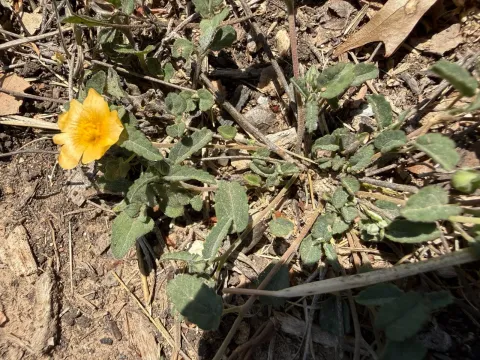
Sida abutilifolia
Sida abutilifolia
Sida abutilifolia is a perennial herbaceous plant belonging to the Malvaceae family. It is recognized for its botanical resilience and its potential utility in various industrial applications due to its fiber content.
What the section contains
Sida abutilifolia
The species is native to tropical and subtropical regions of the Americas. It thrives in warm environments, showing significant adaptation to areas characterized by high solar radiation and stable temperatures.
The crop prefers well-drained soils ranging from sandy loams to clay soils with high organic matter content. Proper drainage is essential as the plant is susceptible to root rot if waterlogged conditions persist.
Regarding climate, it requires a growing season with consistent warmth. While it demonstrates strong drought tolerance once established, irrigation may be necessary during the initial germination phase to ensure uniform stand density.
Agrotechnical management involves careful seedbed preparation to prevent weed competition, as seedlings are sensitive to shading. Controlled nutrient application based on soil testing is recommended to optimize biomass production.
The crop faces potential challenges from fungal pathogens, particularly in regions with high humidity. Leaf spot diseases and root decay are the most prevalent issues during rainy seasons.
Common agricultural pests affecting this species include aphids, whiteflies, and spider mites, which can reduce photosynthetic capacity by damaging the foliage.
Integrated Pest Management (IPM) strategies are highly effective, incorporating crop rotation and the use of resistant varieties to maintain field health without excessive chemical intervention.
Regular field scouting is crucial for detecting early signs of infestations. Targeted treatments with authorized insecticides or fungicides should be applied only when threshold levels are exceeded.
Maintaining balanced soil fertility helps the plant strengthen its natural defense mechanisms against common environmental stresses and opportunistic pests.