
Sida aggregata
Sida aggregata
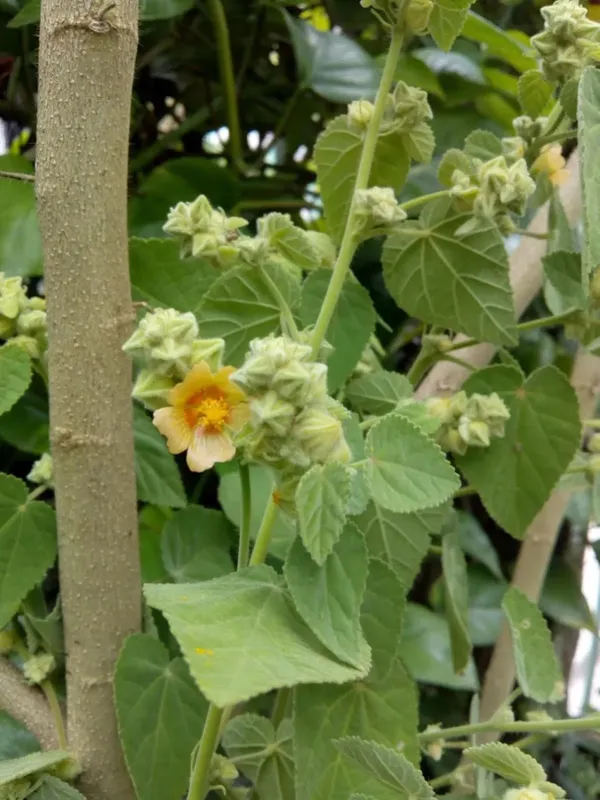
Description
Sowing dates
Sida aggregata is a perennial herbaceous plant belonging to the Malvaceae family. It is increasingly recognized in agricultural research for its significant biomass yield and potential as a renewable energy source or livestock feed supplement.
Sowing should take place in early spring once soil temperatures reach at least 10-12 degrees Celsius. Ensuring adequate soil moisture during the germination period is critical, as small seeds are prone to drying out if the seedbed is not properly prepared and consolidated.
Standard practice involves wide-row spacing, typically between 45 and 70 centimeters. This arrangement facilitates mechanical weeding and cultivation, which is vital during the first year when the plant exhibits slower initial growth compared to its subsequent years.
Seeds are typically placed at a depth of 2 to 3 centimeters, depending on soil texture. A firm seedbed is essential, as it ensures uniform contact between the seed and the soil, leading to more predictable germination rates across the field.
During the first year, the plant invests energy into developing a robust root system. This slow establishment period is natural and necessary for the long-term productivity of the plantation, as it prepares the crop for high biomass output in following seasons.
Growing requirements
Sida aggregata thrives in fertile, well-drained loamy soils with a neutral to slightly acidic pH level. It is sensitive to waterlogging, so fields with poor drainage should be avoided or treated with corrective measures before planting to prevent root rot.
As a light-demanding crop, it requires open areas with full sun exposure to maximize photosynthetic activity. Shading from nearby trees or structures significantly reduces stem development and overall biomass yield, particularly in the critical mid-summer growth phase.
Climate adaptability is one of the plant's strengths, showing moderate drought tolerance. However, consistent rainfall during the vegetative stage is ideal for maximizing yield. Supplemental irrigation may be necessary in arid regions to maintain high productivity.
The optimal temperature range for growth is between 20 and 25 degrees Celsius. While it can withstand temporary cold snaps, severe late spring frosts may damage newly emerged shoots, potentially delaying growth for the remainder of the season.
Agronomic management requires balanced fertilization, with a particular emphasis on nitrogen early in the season to encourage rapid stem elongation. Phosphorus and potassium are also crucial for ensuring structural integrity and overall vigor of the plant.
Yield
Biomass production increases steadily after the initial establishment year, reaching peak potential by the third year. The crop forms dense stands of fibrous stems, which are highly valued for industrial applications such as fuel pellets or cellulose extraction.
Yield metrics are largely determined by field management practices and site fertility. Producers often prioritize the dry matter yield, which remains relatively stable even under fluctuating weather conditions, highlighting the reliability of this species.
Host use extends beyond energy generation to agricultural fiber production and potentially as a supplemental forage source if harvested at the correct maturity. The high fiber content of the stems makes it a versatile raw material for various industrial sectors.
The speed of regrowth after harvest is a key factor in annual yield calculations. When harvested at the right height, the plant regenerates effectively, allowing for potential multiple harvests in extended growing seasons depending on local weather conditions.
The longevity of a Sida aggregata plantation is impressive, with well-maintained plots yielding effectively for over a decade. This durability makes it a cost-effective choice for farmers looking for long-term sustainable biomass sources.
Main diseases and pests
The primary threats to the crop include fungal diseases that flourish in poorly drained, overly humid conditions. Avoiding soil saturation is the best preventative strategy, alongside ensuring proper row spacing to allow air circulation through the canopy.
Insect pests can damage foliage during periods of rapid growth. Integrated pest management, involving regular field inspections and localized treatment, is usually sufficient to maintain the health of the plantation without excessive chemical inputs.
Weed control is the most significant challenge during the establishment phase. Mechanical inter-row cultivation is highly effective at reducing competition, allowing the Sida aggregata plants to quickly become the dominant species in the field.
Leaf spot pathogens can be prevalent in stagnant, humid environments where plant density is too high. Selecting the correct plant population density at the time of sowing helps mitigate this risk, ensuring adequate airflow is maintained throughout the season.
Healthy, vigorous plants are more resilient to biotic stressors. By focusing on soil health and optimal nutrient balance, growers can significantly increase the natural resistance of the crop, reducing the need for aggressive pest and disease control measures.
Harvesting
Harvesting should be timed to occur during peak vegetative growth, just before the plant shifts its energy entirely towards seed production. This timing ensures the highest quality of biomass for industrial processing, balancing moisture content with fiber density.
Standard agricultural machinery, such as forage harvesters, is typically used for cutting. The cutting height must be carefully managed to avoid damaging the root crown, which ensures the plant remains productive for subsequent years of growth.
After harvesting, the biomass is shredded and typically dried. Proper drying is essential to prevent heating in storage, which could lead to mold or quality loss. On-field drying or high-capacity industrial dryers are used based on local logistics.
The optimal harvest window is generally late summer. Timing the harvest correctly allows for the processing of biomass while it still has the desired physical properties for fuel pellet or pulp manufacture, avoiding the hardening associated with winter dormancy.
Storage requires dry, ventilated facilities to protect the integrity of the collected material. Properly stored biomass of Sida aggregata can maintain its chemical and physical energy potential for extended periods until it is ready for end-use processing.